



Key takeaway / Summary of topic answer
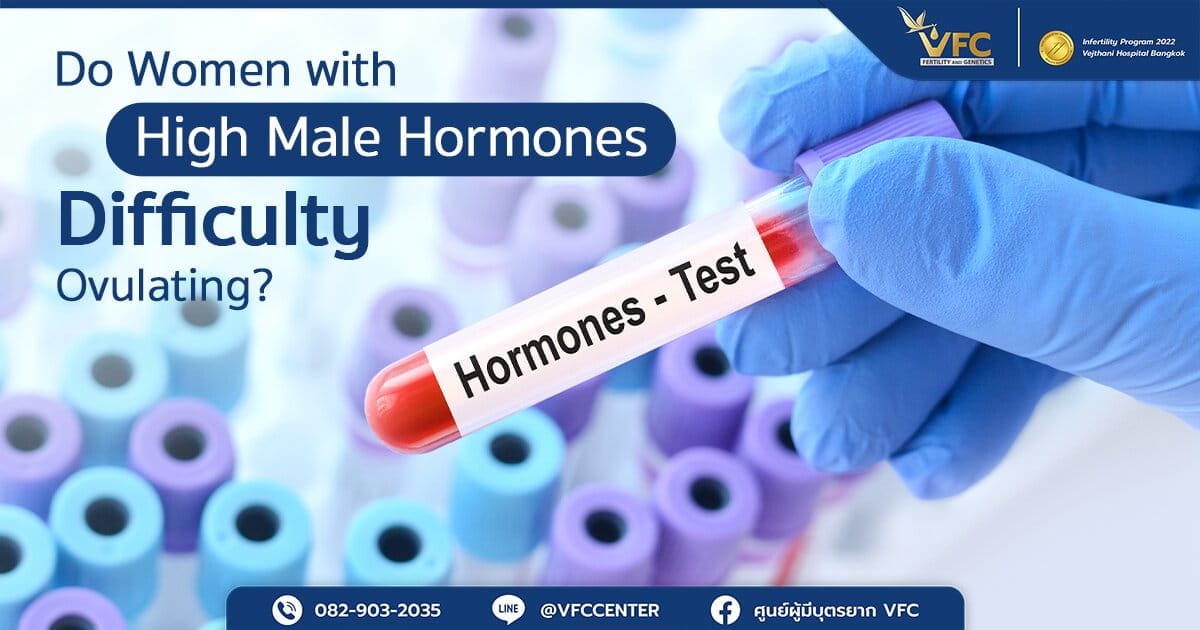
All women naturally have a small amount of male hormones in their bodies. However, women with high male hormones may experience hormonal imbalance that affects ovarian function and leads to irregular ovulation or difficulty ovulating. Common causes include PCOS, insulin resistance, and lifestyle factors such as chronic stress, poor sleep, and unhealthy eating habits. With proper care, hormone balance can often be improved, which may help restore ovulation and increase the chances of pregnancy. If you suspect ovulation problems or have been trying to conceive without success, seeing a fertility specialist can help identify the cause and guide the right treatment plan.
Many women who have been trying to conceive without success may have heard doctors mention terms like high male hormones or irregular ovulation. This often leads to an important question: do women with high male hormones really have a harder time ovulating?
In reality, hormones play a major role in reproductive health. When hormone levels are out of balance, egg development and ovulation may be affected. Understanding the connection between high male hormones in women and difficulty ovulating can help women plan pregnancy more effectively and seek treatment earlier.
What Are Male Hormones in Women?
Do Women Have Male Hormones?
Many people assume that male hormones are found only in men, but that is not true. All women naturally have male hormones, also called androgens, in small amounts.
These hormones support several important body functions, including muscle development, bone strength, and energy regulation. They also work together with female hormones to maintain reproductive balance. However, when the level becomes too high, women with high male hormones may begin to experience reproductive problems, including difficulty ovulating.
Concerned about hormone imbalance and fertility? Consult VFC Center.
What Does It Mean to Have High Male Hormones?
Ovulation depends on the coordinated function of several hormones, including FSH, LH, estrogen, and progesterone.
When male hormone levels become too high, they may disrupt this process and interfere with egg growth. As a result, some eggs may not mature properly or may not be released at all.
Women with this condition may experience:
- Irregular menstrual cycles
- Infrequent ovulation
- No ovulation in some months
- Poor egg development
How Do High Male Hormones in Women Affect Ovulation?
Ovulation is one of the most important steps in reproduction. If hormone levels are not balanced, ovarian function may be disrupted, leading to difficulty ovulating.
The Relationship Between Hormones and Ovulation
- Ovulation requires a careful balance of FSH, LH, estrogen, and progesterone
- High male hormone levels can interfere with ovarian function
- When male hormones rise too much, egg development may become abnormal
- This may lead to irregular ovulation or no ovulation at all
Why Do Women with High Male Hormones Have Difficulty Ovulating?
High male hormone levels can directly affect the growth of eggs in the ovaries. In some cases, the eggs do not develop enough to reach the stage where ovulation can occur.
This may lead to:
- Eggs not fully maturing
- Irregular menstrual cycles
- Lack of ovulation
- Reduced ovarian response to normal hormonal signals
Because of this, women with high male hormones often face difficulty ovulating, which can make natural pregnancy more difficult.
Symptoms in Women with High Male Hormones
High male hormones may affect not only the reproductive system but also cause visible physical changes.
Common Signs
Women with high male hormones may notice:
- Irregular or absent periods
- Persistent acne and oily skin
- Excess facial or body hair
- Hair thinning similar to male-pattern hair loss
- Easy weight gain or difficulty losing weight
These symptoms may occur together or vary from person to person depending on hormone levels and overall health.
Warning Signs of Difficulty Ovulating
For women planning pregnancy, recognizing signs of ovulation problems is important because they may indicate an underlying fertility issue.
Common signs include:
- Trying to conceive for more than 1 year without success
- Repeated cycles with no ovulation
- Irregular menstrual cycles over a long period
If these signs are present, medical evaluation of hormone levels and ovarian function can help identify the underlying cause.
Causes of High Male Hormones in Women
High male hormone levels in women can result from hormonal conditions, metabolic issues, or lifestyle factors. Identifying the exact cause is important because it allows doctors to choose the most appropriate treatment.
Polycystic Ovary Syndrome (PCOS)
One of the most common causes of high male hormones is PCOS. This hormonal condition is frequently seen in women of reproductive age.
Women with PCOS often have higher-than-normal male hormone levels, which can interfere with egg development and cause difficulty ovulating. On ultrasound, the ovaries may show multiple small immature follicles, which is why PCOS is a major cause of infertility in women.
Insulin Resistance
Insulin resistance is another important factor linked to high male hormones. When the body does not respond well to insulin, the pancreas produces more of it. Higher insulin levels can stimulate the ovaries to produce more male hormones.
This is often seen in women who are overweight and is also common in those with PCOS. As androgen levels rise, the chance of difficulty ovulating increases as well.
Stress and Lifestyle Factors
Chronic stress, inadequate sleep, and an unbalanced diet can also affect hormone levels and ovarian function.
While lifestyle factors may not be the main cause in every case, improving sleep, nutrition, and stress management can support better hormone balance and reproductive health.

How to Treat High Male Hormones and Improve Ovulation
When high male hormones affect ovulation, treatment depends on the cause and each patient’s overall condition. In some cases, lifestyle changes alone may help restore hormonal balance. In others, medical treatment may also be needed.
Lifestyle Changes
Taking care of overall health plays an important role, especially for women with insulin resistance or excess weight.
Helpful steps include:
- Maintaining a healthy body weight
- Exercising regularly
- Choosing a balanced diet
- Reducing sugar and refined carbohydrates
- Getting enough sleep
- Managing stress
These changes may improve metabolism, restore hormonal balance, and support regular ovulation.
Medical Treatment
If lifestyle changes are not enough, doctors may recommend medical treatment to regulate hormones and stimulate ovulation.
Treatment may include:
- Hormone-regulating medication
- Ovulation induction medication
- Ultrasound monitoring of egg development
Monitoring helps doctors evaluate how the ovaries respond to treatment and adjust the plan to improve pregnancy chances.
Schedule a consultation with a reproductive medicine specialist at VFC Center.
Can Women with High Male Hormones Still Get Pregnant?
Although high male hormone levels may cause ovulation problems, this does not mean pregnancy is impossible. Many women are able to conceive after restoring hormone balance or receiving appropriate treatment.
Chances of Natural Pregnancy
In some women, once hormone levels improve, ovulation becomes regular again and natural pregnancy can occur.
Maintaining a healthy weight, eating well, and reducing stress can help support reproductive function and improve the chance of conception.
Options for Chronic Difficulty Ovulating
For women who still cannot conceive after initial treatment, doctors may recommend fertility treatments such as ovulation induction, IUI, IVF, ICSI. These treatments will be tailored to each individual to maximize pregnancy success.
Consult Fertility Specialists at VFC Center
If you are dealing with high male hormones in women and difficulty ovulating, or if you have been trying to conceive without success, early evaluation can make a meaningful difference. A clear diagnosis and the right treatment plan can improve your chances of pregnancy and help address the underlying cause more effectively.
At VFC Center, we provide personalized care for couples who need fertility support. If you are looking forinfertility screening in Bangkok, our reproductive medicine specialists are here to guide you through every step with individualized assessment and treatment planning.
Article by Dr. Sorramon Songveeratham
VFC Center-V-Fertility
Hotline: 082-903-2035
LINE Official: @vfccenter
Frequently Asked Questions About High Male Hormones and Difficulty Ovulating (FAQs)
Can high male hormones be cured completely?
In many cases, hormone levels can be controlled and improved. While some underlying conditions may not be completely cured, they can often be managed successfully through lifestyle changes and medical treatment, helping restore ovulation and improve fertility.
What tests are needed if high male hormones are suspected?
Doctors usually begin with blood tests to measure hormone levels, including male hormones and other hormones related to ovulation. An ultrasound of the ovaries may also be recommended to check for structural changes such as PCOS.
Can changing diet really help improve ovulation?
Yes. Nutrition can support hormone balance, especially in women with insulin resistance or excess weight. A healthy diet rich in vegetables, fruit, and quality protein while reducing sugar and refined carbohydrates may improve metabolic health and ovarian function. However, diet should be part of a broader treatment plan guided by a doctor.

OBSTETRICS AND GYNAECOLOGY-REPRODUCTIVE MEDICINE
No Comments
Sorry, the comment form is closed at this time.