




Key takeaway / Summary of topic answer
For women with a history of Pelvic Inflammatory Disease (PID), planning a pregnancy requires a thorough evaluation by a medical professional. While PID can impact fertility, achieving a successful pregnancy is still possible with the right strategy. This involves assessing fallopian tube patency, egg quality, and the risk of an Ectopic Pregnancy, which may be higher due to past infections. IUI treatment is often an excellent choice if the tubes remain open and there is good egg and sperm quality. Consulting a Fertility Specialist for a personalized assessment is the best way to increase your chances of a safe and successful pregnancy.
For women who have battled pelvic infection, planning for a baby often brings up a lot of silent worries. You might wonder if your fertility has decreased, if there are hidden risks in your reproductive system, or which treatment path actually fits your body’s needs, especially after hearing that past infections can lead to tubal issues or implantation struggles.
Many couples look for straightforward, less invasive options, such as seeking professional IUI treatment in Bangkok. However, they often wonder: Will my history of pelvic infection stand in the way? Understanding how your body has healed and getting a proper professional evaluation from the start are the keys to making informed, confident decisions about your path to parenthood.
Concerned about pelvic infection and fertility? Plan your pregnancy with the experts at VFC Center.
Understanding Pelvic Inflammatory Disease (PID): The Silent Threat to Fertility
Pelvic infection, or Pelvic Inflammatory Disease (PID), is a bacterial infection of a woman’s internal reproductive organs, including the uterus, fallopian tubes, and ovaries. Bacteria usually travel from the vagina or cervix upward. If not treated promptly, it can cause chronic inflammation and internal scarring (adhesions). Common causes include:
- Sexually Transmitted Diseases (STDs) from a partner, such as gonorrhea or chlamydia.
- General bacterial overgrowth in the vagina.
- Habits that disrupt the vagina’s natural defense system, such as frequent douching.
- The use of Intrauterine Devices (IUDs) in some cases.
- Postpartum medical procedures.
Symptoms of a Pelvic Infection
PID symptoms can range from mild to severe, and some women show no symptoms at all, leaving the infection undetected. Common signs include:
- Lower abdominal or pelvic pain.
- Abnormal vaginal discharge with an odor.
- Pain during intercourse.
- Irregular menstrual cycles.
- Fever and fatigue.
How Pelvic Infections are Treated
Treating a pelvic infection requires antibiotics to clear the bacteria. Doctors typically start with oral medication, though intravenous (IV) antibiotics may be necessary for severe cases. A follow-up is usually required within 48–72 hours to evaluate progress. If complications like a pelvic abscess occur, surgery may be needed alongside medication.
How Pelvic Infections Impact Pregnancy
Even after the infection is cleared, PID can leave behind side effects in the reproductive system that act as hurdles to getting pregnant.
Scarring in the Fallopian Tubes
Inflammation can cause adhesions or scar tissue in the fallopian tubes. This can lead to partial or total blockages, making it difficult for the egg and sperm to meet for fertilization.
Increased Risk of Ectopic Pregnancy
When fallopian tubes are damaged, an embryo might implant in the wrong place. This results in an Ectopic Pregnancy, a dangerous condition requiring urgent medical care. If an ectopic pregnancy causes a tube to rupture, it can lead to life-threatening internal bleeding.
Reduced Chances of Natural Conception
Even if ovulation is normal, fertilization and embryo transport may be impaired by tubal scarring and lingering systemic inflammation, naturally lowering the odds of conceiving on your own.
Consult a Fertility Specialist before planning your pregnancy
Can I Still Get Pregnant with a History of Pelvic Infection?
The answer is yes. A history of PID does not automatically mean you cannot conceive, but your treatment path depends on several individual factors:
- The severity of the past infection.
- How long the infection lasted before treatment.
- The current condition of the fallopian tubes.
- The mother’s age and egg quality.
Women who had mild infections, sought treatment early, and still have at least one open fallopian tube often have success rates similar to those without a history of PID, provided they follow a tailored medical plan.
Can I Pursue IUI After a Pelvic Infection?
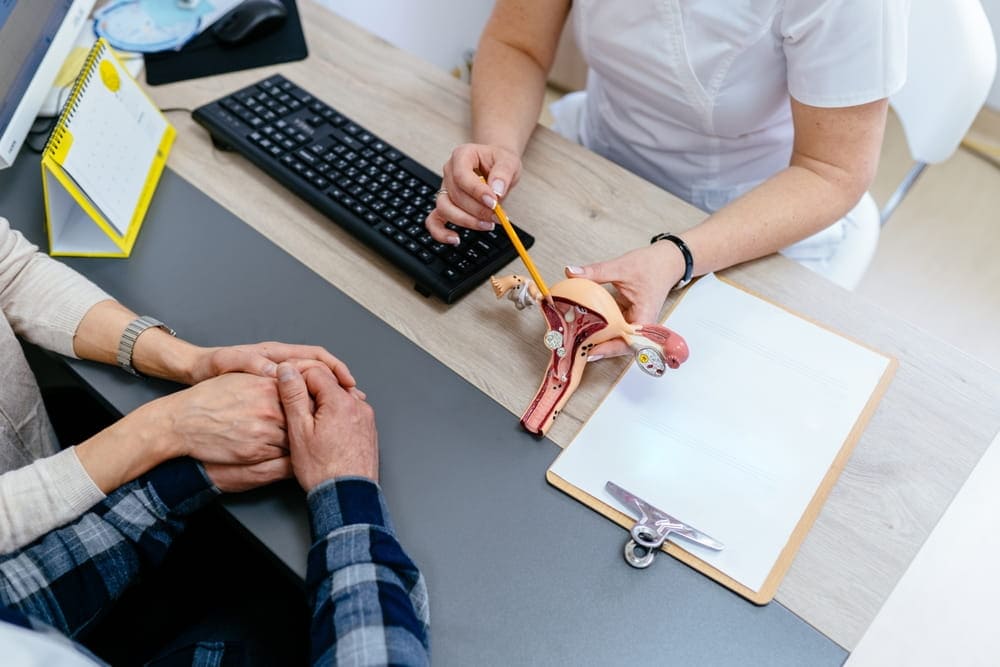
IUI treatment (Intrauterine Insemination) is a popular fertility solution because it is relatively simple. The process involves a Fertility Specialist injecting specially prepared, high-quality sperm directly into the uterus during ovulation. This bypasses the cervix and increases the chance of fertilization without the need for external fertilization like IVF.
When IUI is an Option After a Pelvic Infection:
- At least one fallopian tube is confirmed to be open and healthy.
- There is no significant scarring (adhesions) inside the uterus.
- There is no prior history of recurrent ectopic pregnancies.
- The quality of both eggs and sperm meets the necessary criteria.
However, if both tubes are blocked, or if there is a high risk of Ectopic Pregnancy, your doctor may recommend alternative treatments.
Schedule an IUI consultation with our Fertility Specialist
Essential Pre-IUI Checklist for Post-Infection Patients
Preparing for your IUI treatment after a pelvic infection is crucial for a safe pregnancy. Key screenings include:
HSG Test (Hysterosalpingogram)
An HSG Test is performed to evaluate the fallopian tubes. This procedure allows the doctor to check for blockages or structural issues that could hinder fertilization or cause complications.
Pelvic Ultrasound or Hysteroscopy
These tools allow the doctor to examine the uterine lining for abnormalities, polyps, or cysts that might prevent an embryo from successfully implanting.
Hormone Blood Test and Egg Quality Assessment
A Hormone Blood Test (checking FSH, LH, and AMH levels) evaluates ovarian function and egg reserve. These results directly impact the success rate of your IUI cycle.
Ectopic Pregnancy Risk Assessment
If you have a history of ectopic pregnancy, a thorough risk assessment is essential. Past infections or pre-existing conditions can increase the likelihood of recurrence, which can pose a serious threat to a woman’s health.
A past pelvic infection is a challenge, but it is not the end of your journey. By choosing a specialized path, especially for IUI treatment, and ensuring your reproductive system is thoroughly evaluated, you can significantly increase your chances of a healthy, long-term pregnancy.
If you have a history of pelvic infection and are considering an IUI in Bangkok, a consultation with a Fertility Specialist is a vital first step. Their expert evaluation will help you understand each stage of the process, ensuring you choose a medical path tailored to your health. By properly preparing your body, you significantly increase your chances of a safe and successful pregnancy.
If you are interested in pursuing IUI treatment in Bangkok the right way, come and consult with us at VFC Center (V-Fertility Center). Our team is dedicated to providing close, expert care at every step of your journey, ensuring that your path to pregnancy begins with safety, confidence, and peace of mind.
Article by Dr. Sorramon Songveeratham
Contact VFC Center:
Hotline: 082-903-2035
LINE Official: @vfccenter
Frequently Asked Questions About Pelvic Infection and IUI (FAQs)
How soon after a pelvic infection can I start IUI?
You should allow your body time to recover and clear the infection fully. A comprehensive reproductive health exam is required first to ensure the IUI process is both safe and likely to succeed.
How should I care for myself after PID treatment?
Avoid sexual intercourse until a doctor confirms the infection is completely gone. Focus on getting enough rest and maintaining strict hygiene to prevent recurrence.
Why is my period irregular after a pelvic infection?
PID can cause internal inflammation that disrupts your hormonal balance, which may lead to irregular ovulation and changes in your menstrual cycle.

OBSTETRICS AND GYNAECOLOGY-REPRODUCTIVE MEDICINE
No Comments
Sorry, the comment form is closed at this time.