



Key takeaway / Summary of topic answer
Proper physical activity plays a vital role in reproductive health, especially for women in their 30s whose bodies are beginning to undergo hormonal shifts. The synergy between hormones and exercise supports ovarian function, regular ovulation, and blood flow to reproductive organs. Furthermore, it helps manage stress, control weight, and strengthen muscles all of which are essential factors in preparing the body for a healthy pregnancy.
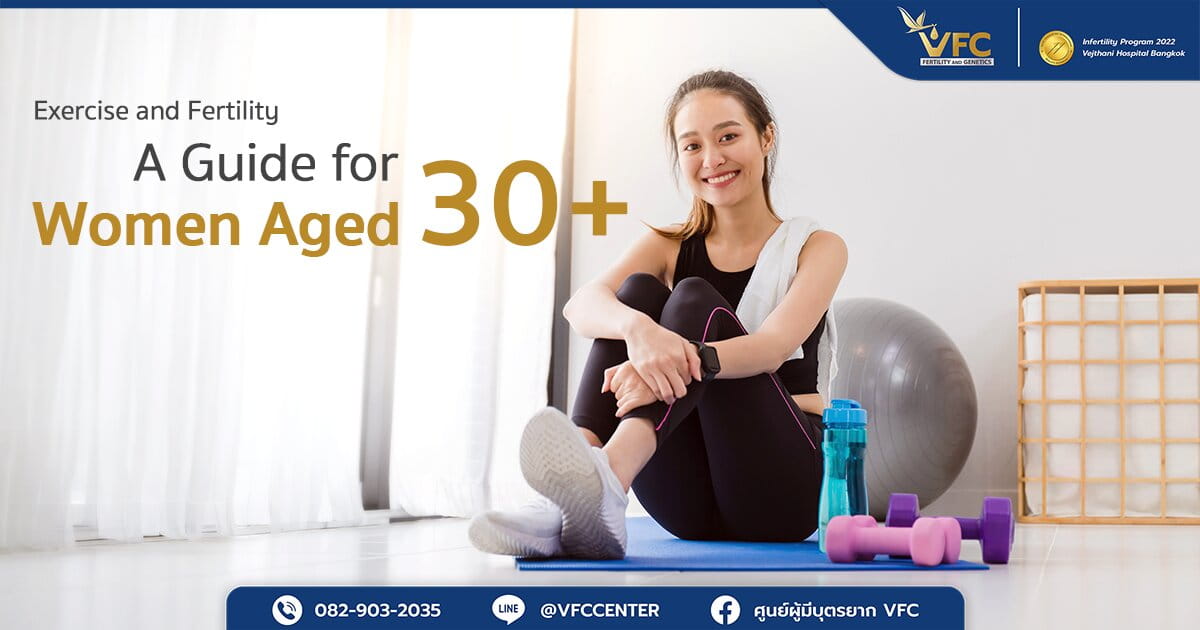
As women enter their 30s, family planning should be accompanied by comprehensive health care. This age marks changes in hormones, metabolism, and reproductive function. One of the most effective ways to enhance pregnancy readiness is through physical activity. It is no exaggeration to say that exercise and fertility are deeply interconnected; beyond general fitness and weight management, activity helps maintain the delicate balance of the female reproductive system.
Want to prepare for pregnancy? Consult the experts at VFC Center.
Why Should Women 30+ Focus on Exercise When Planning for a Baby?
The relationship between hormones and exercise is fundamental to ovarian function, the ovulation cycle, and overall physical readiness. It also serves as a buffer against stress, which can otherwise disrupt hormonal equilibrium. Choosing age-appropriate activities is a key strategy for pre-pregnancy preparation.
Balancing the Ovulation Cycle
Irregular ovulation is a common hurdle for women over 30, often caused by hormonal imbalances, a high BMI, or insulin resistance. Engaging in proper exercise and fertility-focused activities helps maintain a healthy BMI (18.5–22.9) and supports sex hormone function. When the body is balanced, the connection between hormones and exercise works in harmony to promote regular menstrual cycles and natural ovulation.
Stimulating Blood Flow to the Uterus and Ovaries
Movement boosts the efficiency of the circulatory system, ensuring that oxygen and vital nutrients reach the reproductive organs. Improved blood flow creates an optimal environment for egg development and helps prepare the endometrial lining, which is crucial for future embryo implantation.
Reducing Stress and Emotional Tension
Chronic stress triggers high levels of cortisol, which can interfere with reproductive signals and ovulation. When stress levels are managed through physical activity, the balance of hormones and exercise is more likely to function correctly, supporting overall fertility.
Strengthening Muscles and Body Structure
Pregnancy requires the body to support increasing weight, specifically affecting the back, abdomen, and pelvic floor. Exercise strengthens these key areas, improving flexibility and helping the body adapt to pregnancy changes while reducing back pain and speeding up postpartum recovery.

Recommended Exercises for Women Preparing for Pregnancy
Choosing the right type of activity is vital. Women planning for a baby should focus on exercises that boost overall health without causing excessive physical exhaustion or systemic stress.
- Yoga and Pilates: These focus on stretching, flexibility, and core strength. They promote deep breathing and relaxation, which calms the mind and supports hormonal balance.
- Brisk Walking: A safe, effective cardio option for beginners. It strengthens the heart and enhances blood circulation to the uterus and ovaries.
- Swimming or Water Aerobics: Low-impact exercises that protect the joints. They also help regulate body temperature, a factor important for reproductive system stability.
- Light Resistance Training: Using light dumbbells or resistance bands maintains bone mass and muscle strength, preparing the body to carry pregnancy weight comfortably.
Precautions and Warning Signs of Overtraining
While the link between hormones and exercise is generally positive, excessive intensity can backfire, potentially disrupting the ovulation cycle.
Signs You Should Lower Your Exercise Intensity
- Irregular Cycles: If your period becomes inconsistent, lighter, or stops altogether, your training may be too intense, leading to a drop in estrogen.
- Chronic Fatigue: Constant exhaustion, insomnia, or heart palpitations suggest the body is under systemic stress from overexercising.
- BMI Too Low: Having too little body fat can hinder the production of reproductive hormones, affecting ovulation and pregnancy chances.
Nutrition to Pair with Your Exercise Routine
- Folic Acid: Essential to take at least 3 months before pregnancy to reduce the risk of birth defects.
- High-Quality Protein: Supports muscle repair; choose fish, eggs, or plant-based proteins.
- Healthy Fats: Found in avocados, nuts, and olive oil; these are building blocks for reproductive hormones.
- Hydration: Water maintains bodily balance and supports healthy blood circulation.
Evaluate your hormonal balance for pregnancy planning; consult our specialists at VFC Center.
Start Your Pregnancy Journey with VFC Center
While focusing on exercise and fertility is a great start, hormonal or underlying health factors can still impact your journey. If you’ve been active but aren’t sure if your hormone levels are optimal, early evaluation can provide the clarity you need.
At VFC Center, ourinfertility clinic in Thailand is led by a team of reproductive specialists and equipped with modern medical technology. We help evaluate causes, design treatment plans, and effectively increase your chances of a successful pregnancy.
Article by Dr. Sorramon Songveeratham
Contact VFC Center:
Hotline: 082-903-2035
LINE Official: @vfccenter
Frequently Asked Questions About Exercise and Fertility (FAQs)
How often should women planning for a baby exercise?
Generally, moderate exercise is recommended 3–5 times per week, for about 30–45 minutes per session. This frequency strengthens the body, maintains a healthy weight, and supports the balance of hormones and exercise without causing excessive physical fatigue.
Does exercising too hard affect the ability to conceive?
Yes. Overtraining or extremely high-intensity workouts can disrupt the balance of reproductive hormones, leading to irregular menstrual cycles or inconsistent ovulation. It is best to choose activities that match your physical condition and ensure you get adequate rest.
What types of exercise should be avoided when planning for a baby?
You should avoid high-impact or extremely strenuous activities, such as endurance training that lasts for long periods or workouts that excessively raise core body temperature, as these can negatively impact your systemic and hormonal balance.
What are the warning signs that I should visit an infertility clinic in Thailand?
If you have irregular cycles, absent periods for several months, have been trying to conceive unsuccessfully for some time, or have a history of gynecological conditions like PCOS, you should consult a specialist at an infertility clinic Thailand for a fertility evaluation.

OBSTETRICS AND GYNAECOLOGY-REPRODUCTIVE MEDICINE
No Comments
Sorry, the comment form is closed at this time.