





Key Takeaway
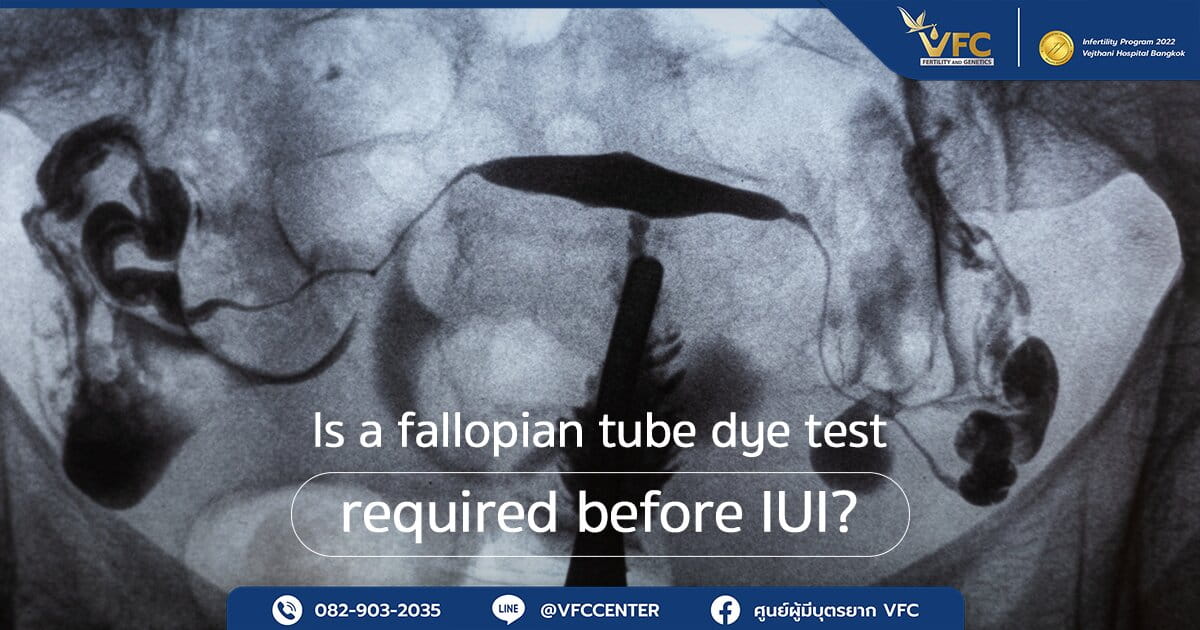
A fallopian tube dye test is highly recommended before starting IUI treatment. Since IUI relies on the natural meeting of sperm and egg, your fallopian tubes must be open and functioning properly. This diagnostic procedure, also known as an HSG, identifies blockages or uterine abnormalities that could hinder conception. By confirming these results first, your Fertility Specialist can accurately determine if IUI is your best path forward or if another specialized method would more effectively increase your chances of success.
Intrauterine Insemination (IUI) is a widely chosen fertility treatment and is often the first recommendation from a Fertility Specialist. It is a straightforward, non-invasive process designed to boost your odds of natural conception.
Many patients often ask, “Is a fallopian tube dye test required before IUI?” Understanding the role of this diagnostic tool is essential, as it directly impacts your chances of a successful pregnancy. Let’s explore why this step is a game-changer for your fertility journey.
Consult a reproductive medicine specialist and plan your journey at VFC Center
Why a Fallopian Tube Dye Test is a Critical Step Before IUI
The core of IUI involves injecting concentrated sperm directly into the uterus, allowing it to swim through the fallopian tubes to meet the egg. This process mimics natural fertilization. However, if the tubes are blocked or damaged, the sperm and egg can never meet, meaning no matter how many IUI cycles you undergo, they will not result in pregnancy. A fallopian tube dye test serves as a vital road map to ensure the path is clear and ready for fertilization.
What is an HSG and What Does It Reveal?
A fallopian tube dye test, medically known as Hysterosalpingography (HSG), is a specialized radiological exam. The doctor injects a contrast agent (often called “the dye”) into the uterus and uses X-ray imaging to track its movement. This procedure evaluates several critical factors:
- Fallopian Tube Health: The doctor observes whether the dye flows freely through both tubes into the pelvic cavity. This identifies blockages, swelling (hydrosalpinx), or lesions that might obstruct the passage of sperm or eggs.
- Uterine Environment: The X-ray provides a clear view of the uterine cavity. It can detect a uterine Polyp, scarring (adhesions), or fibroids that might occupy space and interfere with future embryo implantation.
Who Should Have a Fallopian Tube Dye Test?
An HSG is ideal for anyone experiencing infertility who needs a clear picture of their reproductive health. It is specifically recommended for:
- Couples who have been unable to conceive naturally after one year or six months for women over 35.
- Women with a history of pelvic surgery, such as appendectomies or fibroid removal, which can cause internal scarring.
- Patients with a Chocolate Cyst or a history of endometriosis, as these conditions frequently affect fallopian tube health.
Plan your personalized fertility assessment at VFC Center
Interpreting Results for Targeted Treatment
Once the fallopian tube dye test is complete, your doctor will interpret the images to decide the next steps:
- Clear Tubes (One or Both): This is excellent news! You can proceed immediately with your IUI procedure or timed intercourse.
- Blocked Tubes: If the dye cannot pass through either tube, IUI will not be effective. In this case, your Fertility Specialist may recommend corrective surgery or moving to ICSI (Intracytoplasmic Sperm Injection), which bypasses the tubes entirely by fertilizing the egg in a lab.
Your First Step Toward Success Starts with Diagnosis
Don’t let uncertainty delay your dreams of parenthood. If you are planning an IUI treatment or searching for the cause of infertility, a comprehensive reproductive check-up is essential. A fallopian tube dye test (HSG) provides the confidence you need to ensure the path to conception is clear.
If you need a professional evaluation or a personalized pregnancy plan, contact VFC Center (V-Fertility Center). Our team of fertility experts is ready to guide you through every step of your IUI procedure to ensure a smooth and successful journey.
Article by Dr. Sorramon Songveeratham
Contact VFC Center:
Hotline: 082-903-2035
LINE Official: @vfccenter
Frequently Asked Questions About Pelvic Infection and IUI (FAQs)
Can an HSG test also check the condition of the uterus?
A: Yes. Beyond the tubes, an HSG helps visualize the shape and health of the uterine cavity. It can detect a Polyp or fibroids that might otherwise act as an obstacle to successful embryo implantation.
If the dye doesn’t pass through, does it mean IUI will fail?
A: If the dye cannot pass through the tubes, it indicates a blockage. In this scenario, a standard IUI procedure is unlikely to succeed because the sperm cannot reach the egg. Your doctor will likely discuss alternative options like IVF or ICSI to help you conceive.

OBSTETRICS AND GYNAECOLOGY-REPRODUCTIVE MEDICINE
No Comments
Sorry, the comment form is closed at this time.