


Failed ICSI Multiple Times? A Real Infertility Success Story
A real infertility journey success story of a couple who experienced repeated failed IUI before finally having twins after ICSI treatment at VFC Center....

What Is Beta-hCG and How Is It Different From hCG?
What is beta-hCG? This key hCG hormone confirms pregnancy after IVF. The most accurate HCG test after embryo transfer is at 8-10 days....

PGT-M test: Secure a Genetic-Disease-Free Future for Kids
What is PGT-M? Explore the essential technology used to screen embryo quality and prevent hereditary diseases for your child’s healthy future....

Had an Ectopic Pregnancy? What to Check Before Trying Again
Fertility assessment for women with a history of ectopic pregnancy or fallopian tube surgery, including hormone tests, blood tests, and tubal checks....

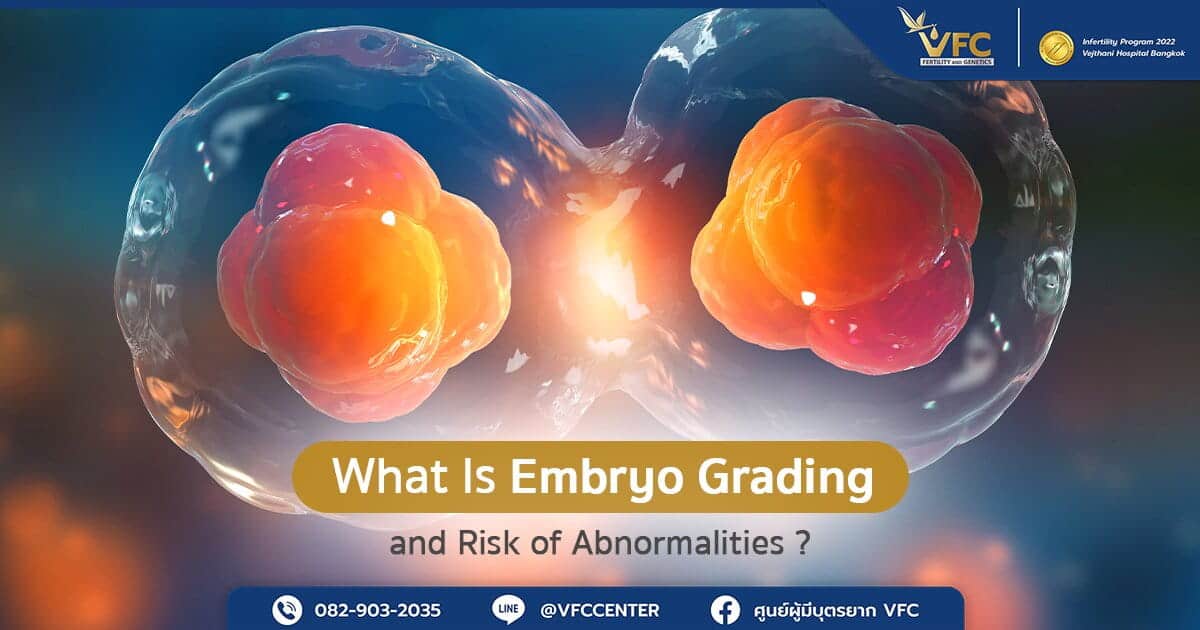
Embryo Chromosomes and the Risk of Fetal Abnormalities
Fetal abnormality risk depends mainly on embryo chromosomes. Learn about euploid, aneuploid, mosaic embryos, and how PGT-A reduces risk ...
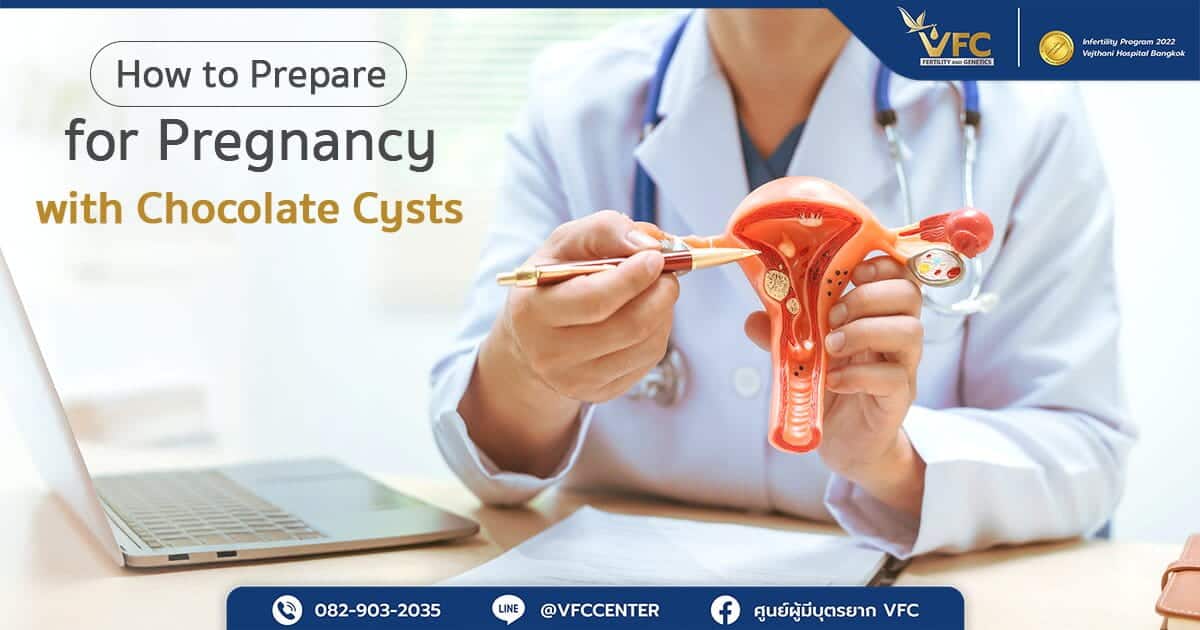
Stopping Medication Before Ovarian Stimulation Guide
Preparing for pregnancy with cysts? Learn about stopping medication before ovarian stimulation for ICSI and how to get your body ready....
Varicocele Problems and Semen Not Meeting Standards
Explore how varicocele problems are linked to semen not meeting normal standards, reduced sperm quality, and treatment options to improve fertility ...
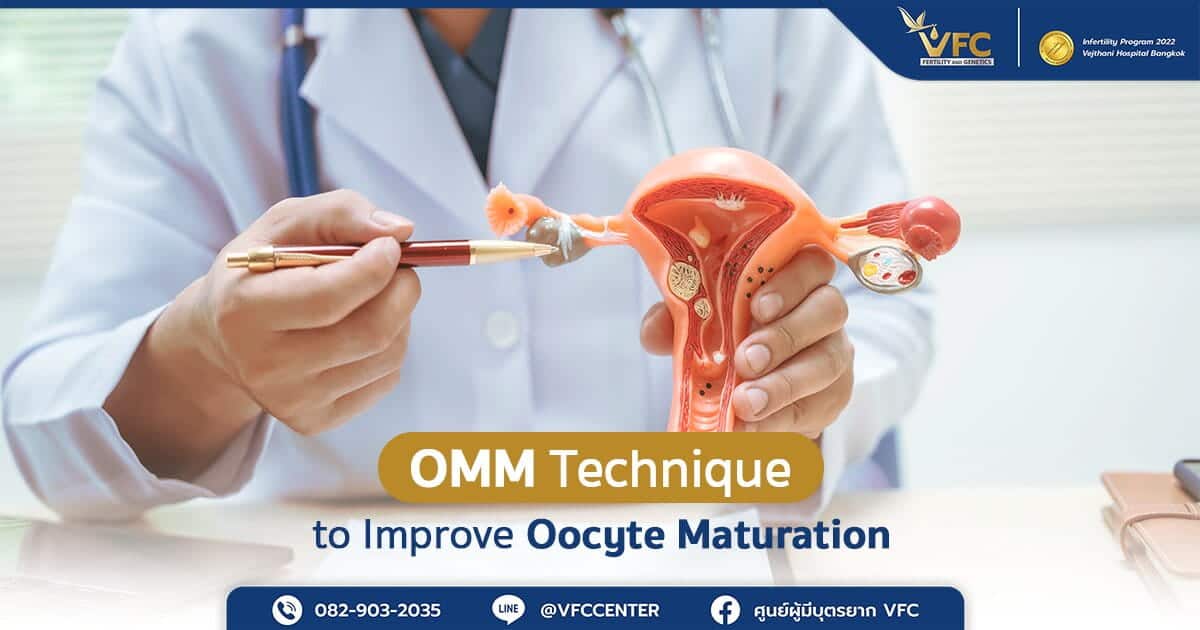
OMM Technique for Immature Oocyte Conditions Before IVF
Immature oocytes can reduce pregnancy success. The OMM technique matures oocytes in the lab, supporting fertilization while lowering the risk of OHSS....
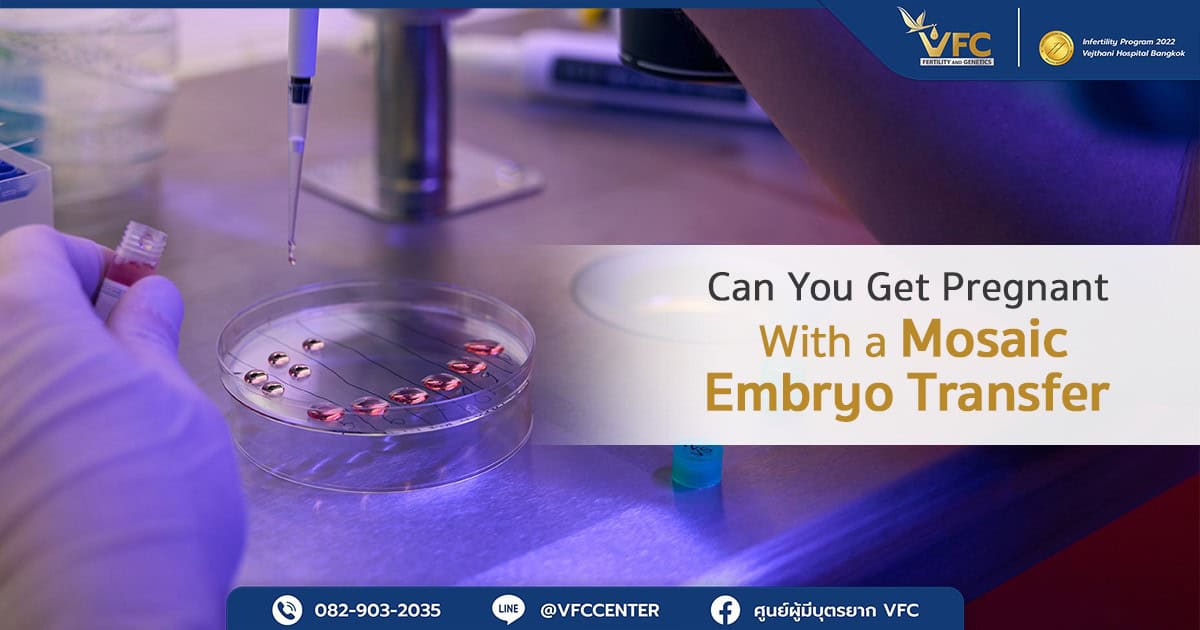
Mosaic Embryo Transfer: Risks & Pregnancy Success
Learn the facts about mosaic embryo transfer, including risks, outcomes, and proven ways to improve pregnancy success for infertility patients...

Embryo Transfer Failed? What Your Period Can Tell You
Bleeding after your procedure? Learn about the period after embryo transfer, symptom colors, and definitive signs if an embryo transfer failed....