




Key Takeaway:
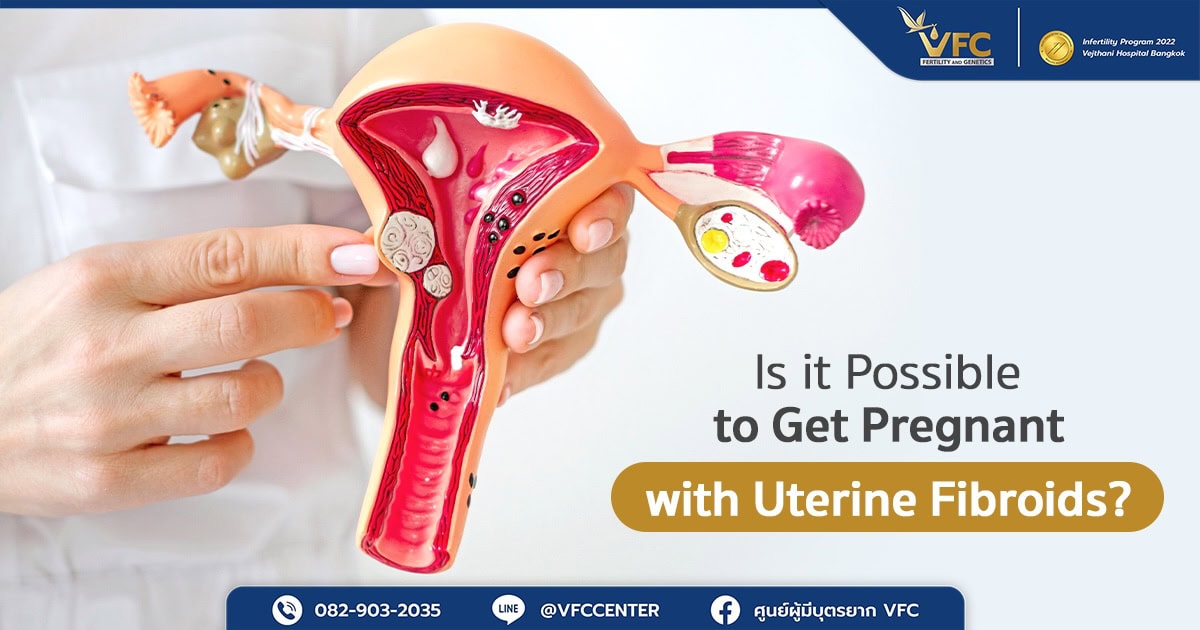
Uterine fibroids that protrude into the uterine cavity can significantly interfere with embryo implantation during ICSI treatment. Their location may block implantation, disrupt sperm movement, and reduce the quality of the uterine lining. If left untreated, fibroids can also increase the risk of miscarriage and postpartum bleeding during pregnancy.
For this reason, treatment focuses on restoring the uterine environment before pregnancy through modern minimally invasive surgical techniques. Preparing the uterus in advance helps reduce medical risks and increases the chances of a successful pregnancy carried safely to term.
Uterine fibroids are a common condition among women of reproductive age and are often discovered during fertility planning. Although most fibroids are benign, their location can strongly influence reproductive health. When fibroids develop in areas that interfere with fertility, they may become a major obstacle to pregnancy.
Accurate diagnosis of fibroid size, location, and type is therefore essential for planning effective infertility treatment.
Consult with a fertility specialist at VFC Center.
What Are Uterine Fibroids and What Causes Them?
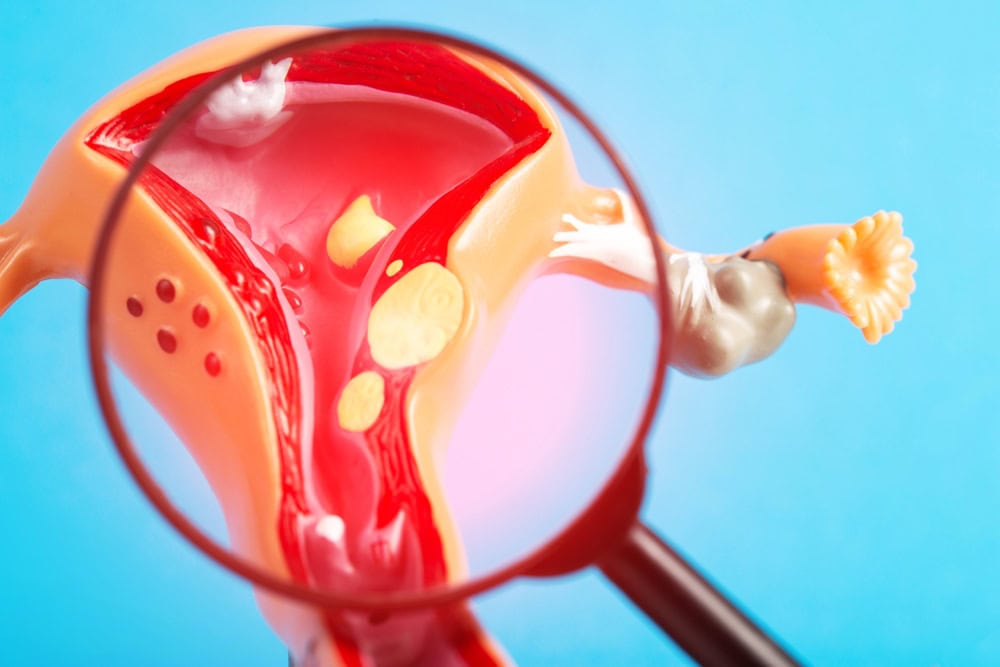
Uterine fibroids are noncancerous growths that develop within or beneath the uterine lining and can extend into the uterine cavity, an area critical for embryo implantation.
Causes of Uterine Fibroids
Medical research shows that fibroid development is associated with several factors:
- Hormonal balance: Estrogen and progesterone are key hormones that stimulate fibroid cell growth. This is why fibroids often enlarge during the reproductive years.
- Genetic factors: Women with a family history of uterine fibroids are at higher risk of developing them.
- Cellular abnormalities: Fibroids may originate from a single uterine muscle cell that begins to grow abnormally, multiplying into a dense mass that is firmer than surrounding tissue.
- Additional contributing factors: Conditions such as excess body weight can influence estrogen levels in the body, potentially increasing fibroid growth.
Fibroids and Infertility: How Location Affects Fertility
When fibroids protrude into the uterine cavity, they may directly contribute to fibroids and infertility in several ways:
- Interference with embryo implantation: Changes in the shape of the uterine cavity can make the lining less receptive to embryo attachment.
- Disruption of sperm and embryo movement: Fibroids may obstruct the fallopian tubes or interfere with uterine contractions that normally help sperm reach the egg.
- Reduced uterine lining quality: Blood flow around fibroids may be compromised, and chronic inflammation may occur, making implantation more difficult.
Pregnancy and Fibroids: Risks to Monitor
If pregnancy occurs while fibroids are present in the uterine cavity, pregnancy and fibroids together may lead to several complications:
- Increased miscarriage risk: Fibroids may divert blood supply from the embryo or limit space for the gestational sac.
- Fetal complications: These may include abnormal fetal positioning or premature birth due to increased uterine pressure.
- Postpartum haemorrhage: Fibroids embedded in the uterine muscle can prevent proper uterine contraction after delivery.
Why Treat Uterine Fibroids Before Embryo Transfer?
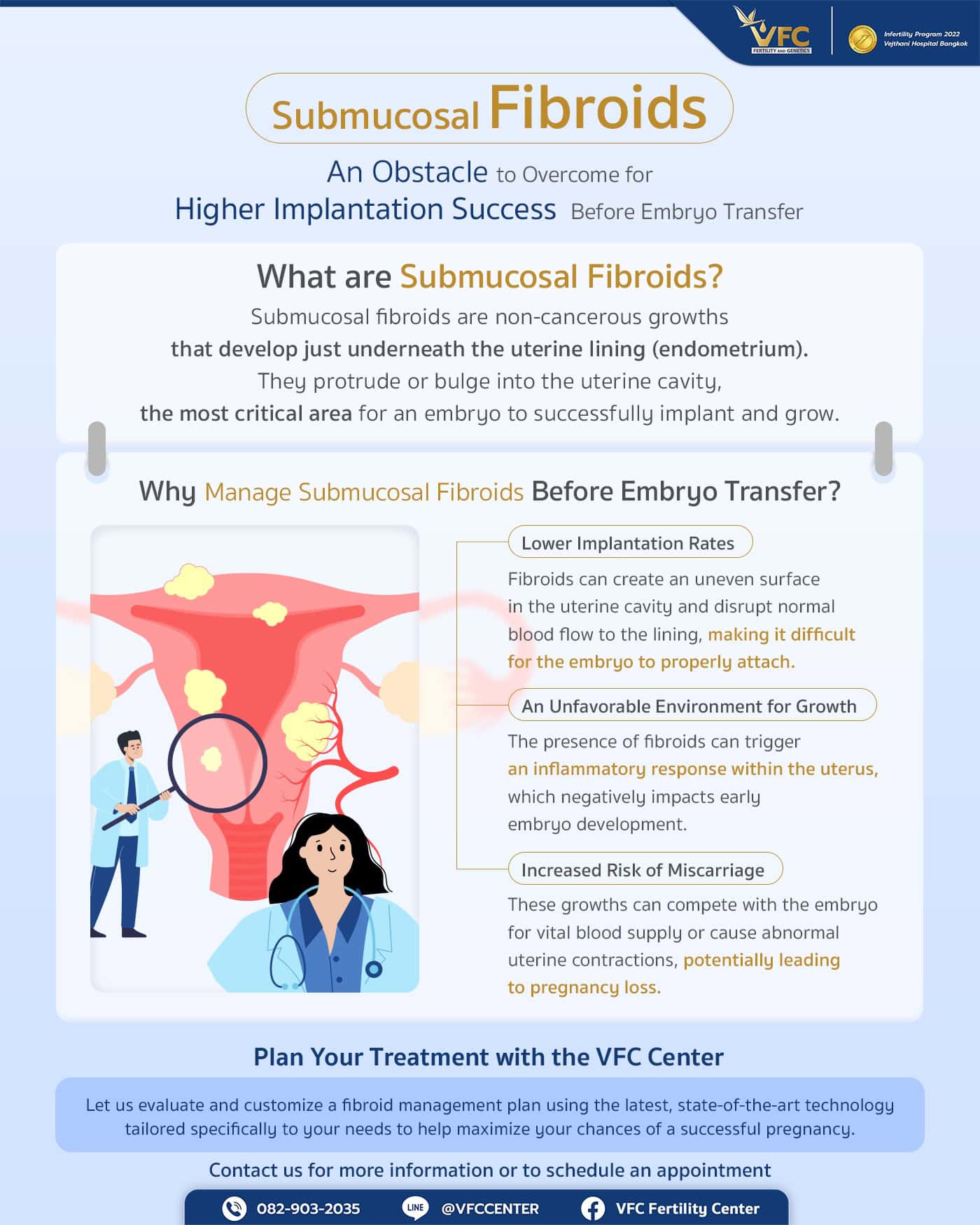
Fibroids that distort the uterine cavity should usually be addressed before embryo transfer for several scientific reasons:
- Lower implantation rates: Fibroids can create an uneven uterine surface and disrupt blood flow to the endometrium, reducing the likelihood of embryo attachment.
- Unfavorable uterine environment: Fibroids may trigger inflammatory reactions that negatively affect early embryo development.
- Higher miscarriage risk: Fibroids may compete for blood supply or cause abnormal uterine contractions that lead to pregnancy loss.
Consult a fertility specialist at VFC Center.
Preparing the Uterus for a Successful ICSI Outcome
To maximize the success of infertility treatment, V-IVF uses specialized techniques to manage fibroids before embryo transfer.
- Hysteroscopic Myomectomy: A minimally invasive procedure performed through the vagina using a hysteroscope to remove fibroids protruding into the uterine cavity. This approach avoids abdominal incisions and helps restore a smooth uterine lining suitable for implantation.
- Laparoscopic Myomectomy: For fibroids embedded deeper in the uterine muscle, laparoscopic surgery allows precise removal through small incisions while minimizing scarring and promoting faster healing.
- Timing the embryo transfer: After fibroid treatment, physicians typically allow the uterus to recover fully, usually around 3–6 months, before scheduling embryo transfer to ensure the uterus is in optimal condition.
For couples who have experienced previous failed embryo transfers or concerns about uterine polyps or fibroids, accurate consultation is the first step toward success. At VFC Center (V-Fertility Center), the fertility hospital in Thailand, specialists evaluate each case individually and use advanced technology to determine the best treatment approach, helping increase the chances of a successful pregnancy.
Dr. Sorramon Songveeratham
For enquiries or appointments:
VFC Center – V-Fertility
Hotline: 082-903-2035
LINE Official: @vfccenter
Frequently Asked Questions About Uterine Fibroids (FAQs)
Q: Will fibroid surgery make the uterus too weak to carry a pregnancy?
A: Modern surgical techniques allow precise repair of the uterine muscle. After adequate recovery time, the uterus typically heals well and becomes strong enough to safely support pregnancy.
Q: How long should recovery take before embryo transfer after fibroid surgery?
A: Recovery generally takes about 3–6 months, depending on the size and location of the fibroids removed. This allows the uterine muscle and lining to fully heal and become ready for implantation.
Q: Why is hysteroscopic surgery better than traditional surgery for uterine fibroids?
A: Hysteroscopic surgery removes fibroids through the vaginal canal without abdominal incisions. This results in faster recovery, less pain, and a lower risk of abdominal adhesions that could affect future fertility.
Q: What happens if fibroids are left untreated before embryo transfer?
A: In addition to reducing implantation success, fibroids may divert blood supply from the embryo, increase miscarriage risk, cause premature labor, or lead to severe postpartum bleeding.

OBSTETRICS AND GYNAECOLOGY-REPRODUCTIVE MEDICINE
No Comments
Sorry, the comment form is closed at this time.