




Key Takeaway :
Preparing before embryo transfer is one of the most critical steps in infertility treatment, as it helps support successful embryo implantation and a healthy pregnancy. A comprehensive medical evaluation is therefore essential to close potential gaps in risk and improve the chances of success.
Key assessments typically include embryo quality evaluation, measuring the thickness of the endometrial lining, and a uterine cavity examination before embryo transfer to detect any abnormalities within the uterus. When these medical checks are combined with proper physical and emotional preparation, they can significantly increase your chances of achieving a successful pregnancy.
Embryo transfer is one of the most important steps in infertility treatment. During this stage, the embryo is placed back into the uterus to begin embryo implantation and develop into a healthy pregnancy. Because of this, preparing before embryo transfer requires careful attention to ensure that the embryo, the uterus, and the timing of implantation are all optimal.
A comprehensive medical evaluation helps close potential gaps or risk factors that could interfere with implantation, ultimately improving the chances of a successful pregnancy.
Consult fertility specialists about infertility treatment at VFC Center (V-Fertility Center)
3 Key Evaluations When Preparing Before Embryo Transfer to Improve Pregnancy Success
Before an embryo transfer, it is essential to assess the body’s readiness to ensure the procedure can be performed safely and effectively. Proper preparing before embryo transfer involves evaluating several important factors, including the embryo, the uterus, and the optimal timing for implantation.
Embryo Evaluation
Embryo Quality Screening
Embryo quality screening is a critical step before embryo transfer to ensure that the selected embryo has strong implantation potential. This evaluation also helps determine whether the embryo is developing normally, allowing specialists to choose the most viable embryo and increase the chances of pregnancy.
Embryo Chromosome Testing
Preimplantation Genetic Testing for Aneuploidy (PGT-A) helps detect chromosomal abnormalities that may affect pregnancy outcomes, such as early miscarriage or genetic disorders. When an embryo is confirmed to have normal chromosomes, the likelihood of successful embryo implantation and pregnancy is significantly higher.
Uterine Assessment
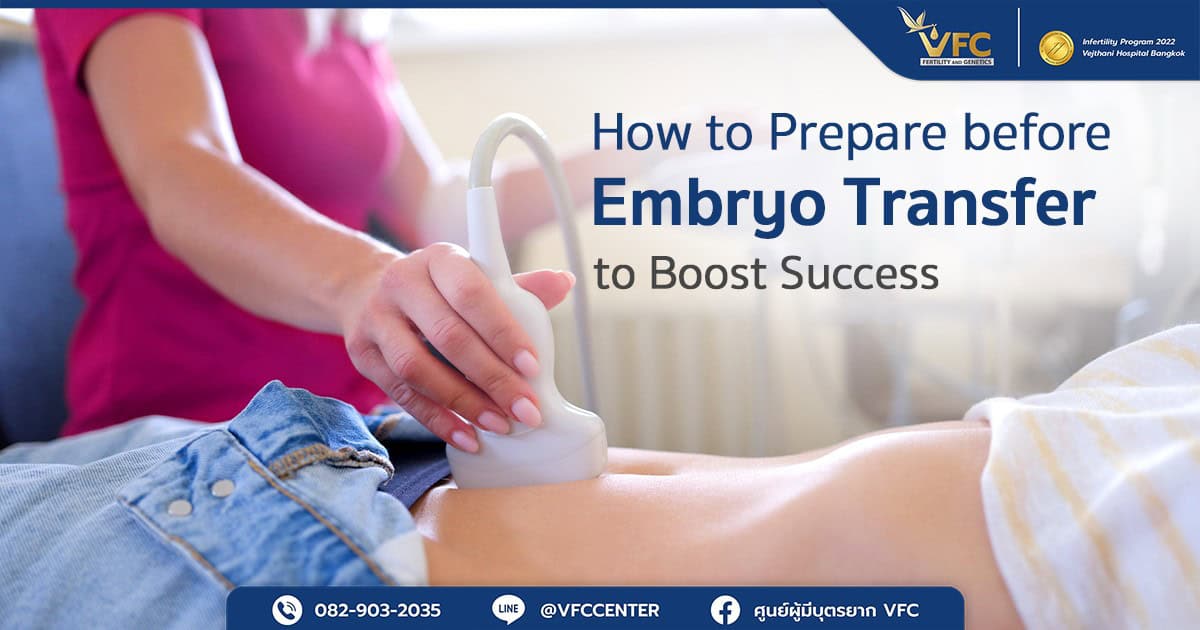
Uterine Ultrasound Examination
A uterine ultrasound is used to measure the thickness of the endometrial lining (endometrium), which plays a key role in embryo implantation. An optimal endometrial thickness, typically around 8-12 mm.-provides a supportive environment for the embryo to implant successfully. This examination allows reproductive specialists to determine whether the uterus is ready for embryo transfer.
Uterine Cavity Examination
A uterine cavity examination before embryo transfer helps detect abnormalities inside the uterus, such as adhesions, polyps, or structural issues. These conditions may interfere with implantation or reduce the chances of a successful pregnancy. Identifying and treating these problems in advance can significantly improve treatment outcomes and also help detect issues such as uterine cavity leakage that may affect embryo implantation.
Optimal Timing for Embryo Implantation
Endometrial Receptivity Analysis (ERA)
Endometrial Receptivity Analysis (ERA) evaluates the exact window when the uterine lining is most receptive to an embryo. By identifying this optimal implantation window, physicians can schedule the embryo transfer at the most suitable time to maximize the chances of successful embryo implantation.
Plan your fertility journey with confidence-consult specialists at VFC Center (V-Fertility Center)

Preparing Your Body and Mind Before Embryo Transfer
Another important factor that can improve the success of embryo transfer and embryo implantation is preparing both your physical and emotional health. The following approaches can help support a healthy pregnancy.
Physical Preparation
Maintain a Healthy Weight
Keeping your weight within a healthy range plays an important role in achieving a successful pregnancy, especially when preparing before embryo transfer. A balanced weight supports overall health and helps the body’s systems function efficiently, increasing the likelihood of successful embryo implantation.
Eat a Balanced Diet
Eating a well-balanced diet that includes protein, vegetables, fruits, and essential nutrients, such as vitamin C, vitamin E, and zinc, can help strengthen the endometrial lining and maintain an optimal uterine environment for embryo implantation.
Get Enough Sleep
Adequate sleep, at least 7-8 hours per night, helps the body recover and reduces stress during the preparation period before embryo transfer. Proper rest also helps maintain balanced hormone levels, which support the body’s readiness for pregnancy.
Engage in Light Exercise and Avoid Strenuous Activity
Light exercise, such as brisk walking or gentle yoga, supports overall health and improves body flexibility. However, intense physical activities should be avoided to prevent excessive physical stress and energy depletion.
Avoid Smoking and Alcohol
Smoking and alcohol consumption may negatively affect uterine health and embryo quality. Avoiding these habits can help reduce potential risks and better prepare the body for pregnancy.
Emotional Preparation
Manage Stress
Managing stress is an essential part of preparing before embryo transfer. Activities such as meditation, yoga, reading, or listening to music can help relax the mind and reduce stress levels, which may otherwise interfere with hormonal balance and embryo implantation.
Practise Positive Self-Talk
Using positive self-talk can help boost confidence and encourage a hopeful mindset during fertility treatment. However, it is important not to place unrealistic expectations on yourself. Support from family members or a mental health professional can also help maintain emotional stability throughout the process.
If you would like to consult about infertility or receive guidance throughout IVF or ICSI treatment, including precautions before embryo transfer-VFC Center (V-Fertility Center) provides expert care from reproductive medicine specialists. Our team uses advanced technologies and personalized treatment plans to help improve your chances of achieving a successful pregnancy.
Additionally, our laboratory utilizes time-lapse embryo monitoring technology, highlighting embryoscope benefits, which allow specialists to closely observe embryo development and select the embryos with the best potential for successful implantation.
Article by Dr. Sorramon Songveeratham
Contact or Book a Consultation:
VFC Center – V-Fertility Center
Hotline: 082-903-2035
LINE Official: @vfccenter
FAQs About Preparing Before Embryo Transfer
Does stress management before embryo transfer affect implantation ?
Yes. Stress can influence hormonal balance and potentially affect embryo implantation. Managing stress through activities such as meditation, yoga, or other relaxing practices can help reduce its impact during preparing before embryo transfer.
Should I stop taking any medications or vitamins before embryo transfer ?
You should consult your doctor about any medications or supplements you are taking before embryo transfer. Certain substances—such as herbal remedies or anti-inflammatory medications—may affect pregnancy or implantation. Adjustments should always be made under medical guidance to support successful embryo implantation.

OBSTETRICS AND GYNAECOLOGY-REPRODUCTIVE MEDICINE
No Comments
Sorry, the comment form is closed at this time.