





Key takeaway / Summary of topic answer
Embryo grading is not based on appearance alone but also on the status of embryo chromosomes, which plays a crucial role in the embryo grading and risk of abnormalities. Embryos with a normal chromosomal status (euploid) have a higher chance of successful implantation and healthy development, while embryos with abnormal chromosomes (aneuploid) are more likely to fail implantation, result in miscarriage, or lead to genetic disorders. Chromosomal screening through PGT-A is therefore an effective method for reducing the risk of abnormalities and improving pregnancy outcomes.
For couples planning to have a child—especially those facing infertility and relying on assisted reproductive technologies such as ICSI (Intracytoplasmic Sperm Injection)—the goal is to achieve a healthy pregnancy and a strong, well-developed baby.
One of the most critical steps that influences a child’s future even before pregnancy begins is embryo selection. Many people are familiar with terms like “good-grade embryos” or “Grade A embryos.” However, from a medical perspective, embryo quality is not determined by appearance alone. It is closely linked to embryo chromosomes, which play a key role in the embryo grading and risk of abnormalities.
In this article, we’ll explain how chromosomal embryo grading affects the risk of fetal abnormalities and introduce effective embryo screening approaches to help reduce these risks.
Consult with fertility specialists and plan infertility treatment at VFC Center
What Is Embryo Grading and How Is It Classified ?
Embryo grading is a process used by fertility specialists and embryologists to select embryos with the highest potential before transfer into the uterus, helping ensure the best chance of implantation and continued development. This evaluation is generally divided into two main components:
1. Embryo Morphology Grading
Morphology grading has long been used to assess embryo quality. Embryologists observe embryo development under a microscope in the laboratory, particularly at the blastocyst stage, which is considered the optimal time for embryo transfer.
Key criteria include:
- Inner Cell Mass (ICM) quality, which develops into the fetus
- Trophectoderm quality, which later forms the placenta
- Cell uniformity and degree of expansion
Based on these observations, embryos are graded (such as A, B, or C), reflecting visual quality and implantation potential. However, it is important to understand that morphology alone cannot determine whether embryo chromosomes are normal.
2. Chromosomal Status of the Embryo
Chromosomal evaluation is critically important because chromosomes contain the complete genetic blueprint of human development. An abnormal number of chromosomes can directly affect fetal development.
- Euploid: Embryos with a complete set of 46 chromosomes and balanced genetics. These embryos have a high implantation potential and are more likely to develop into healthy babies.
- Aneuploid: Embryos with missing or extra chromosomes. These often fail to implant, result in early miscarriage, or lead to genetic abnormalities.
- Mosaic: Embryos containing a mix of normal and abnormal cells. This is relatively common and more complex; implantation outcomes depend on the proportion of normal versus abnormal cells and must be evaluated on a case-by-case basis by a specialist.
A key takeaway is that an embryo with a good appearance does not always have normal chromosomes. This is why embryo grading should be considered alongside chromosomal testing, performed by genetic specialists, to improve accuracy in embryo selection and increase the chances of a healthy pregnancy.
Embryo Grading and the Risk of Abnormalities
There is a clear relationship between embryo quality and a child’s future health. Outcomes can be categorized based on genetic status as follows:
Embryos With Normal Chromosomes
These embryos are comparable to high-quality seeds. When transferred into a receptive uterus, they have a high implantation rate, a lower risk of miscarriage, and a strong likelihood of developing into healthy babies-reducing concerns about congenital defects or genetically related developmental disorders.
Embryos With Abnormal Chromosomes
When chromosomally abnormal embryos are transferred-often in cases where chromosomal testing was not performed-several unfavorable outcomes may occur, including:
- Failure to implant: The body may naturally reject embryos with significant abnormalities, leading to unsuccessful IVF or ICSI cycles.
- Early miscarriage: Even if implantation occurs, development may stop in the first trimester, such as in cases of blighted ovum.
- Genetic disorders: In rare cases where the embryo develops to birth, the child may have severe physical or intellectual disabilities caused by genetic abnormalities.
Comparing Embryo Chromosomal Grades and the Risk to the Baby
To better understand embryo chromosomes, the table below compares the relationship between chromosomal status and potential pregnancy outcomes.
| Embryo Chromosomal Status | Implantation Potential | Risk of Miscarriage | Risk of Fetal Abnormalities |
| Euploid (Normal) | Very high (60-70%+) | Low | Very low |
| Mosaic (Mixed) | Moderate | Moderate | Potential risk (medical consultation required) |
| Aneuploid (Abnormal) | Very low or no implantation | Very high | Very high (if pregnancy continues) |
Embryo Chromosomes and Their Impact on the Baby
Chromosomes are structures that contain all human genetic material (DNA). They determine organ formation, body system function, and development from the fetal stage through life after birth. When chromosomal balance is disrupted, it can affect development at every stage of life.
Common chromosomal abnormalities that significantly impact babies include:
- Trisomy 21 (Down syndrome): Caused by an extra copy of chromosome 21. Children may have delayed cognitive impairment, intellectual disability, characteristic facial features, and an increased risk of congenital heart defects.
- Trisomy 18 (Edwards syndrome): Results from an extra copy of chromosome 18 and is associated with severe complications. Infants are often very small, have multiple organ abnormalities, and have a very low survival rate after birth.
- Trisomy 13 (Patau syndrome): Caused by an extra copy of chromosome 13, leading to severe brain and facial abnormalities. Most affected infants do not survive pregnancy or live only a short time after birth.
Chromosomal Embryo Screening to Reduce the Risk of Abnormalities
Advances in medical technology now allow embryo evaluation to go beyond visual assessment and into genetic analysis. This is done through PGT-A (Preimplantation Genetic Testing for Aneuploidies), a technique used to examine embryo chromosomes before transfer.
The PGT-A Process
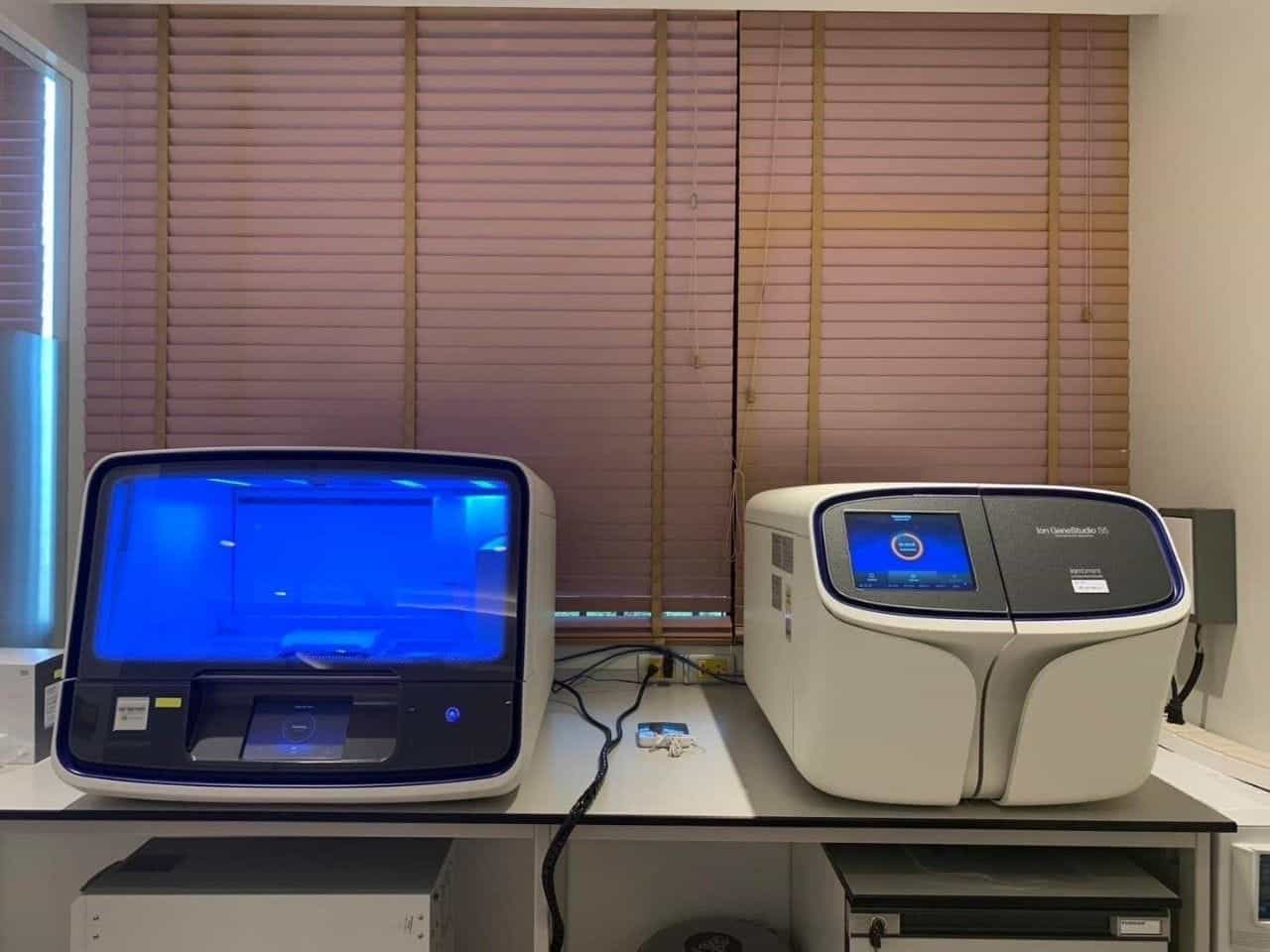
PGT-A is performed after embryos are cultured to the blastocyst stage (around day 5-6). A genetic scientist carefully biopsies a small number of cells from the part of the embryo that will later develop into the placenta, without harming the embryo itself. These cells are then analyzed for all 23 pairs of chromosomes using highly accurate Next-Generation Sequencing (NGS) technology.
Benefits of Chromosomal Screening
- Reduces miscarriage risk by selecting embryos with normal chromosomes for transfer
- Increases the chance of a healthy pregnancy while saving time and cost by prioritizing embryos with the highest potential
- Lowers the risk of genetic disorders, providing reassurance that the baby is unlikely to have chromosomal conditions caused by missing or extra chromosomes
Evaluating embryo chromosomal status alongside morphological grading is a critical process that improves pregnancy success rates and supports the birth of healthy babies.
At VFC Center (V-Fertility Center), a specialized ICSI Clinic, we provide comprehensive care at every stage-from embryo quality assessment and chromosomal grading to personalized treatment planning. Our team of reproductive medicine specialists, genetic scientists, and experienced embryologists work together to deliver trusted, evidence-based care for every family.
Article by Dr. Wanakan Singhasena
Contact or Book a Consultation:
VFC Center – V-Fertility Center
Hotline: 082-903-2035
LINE Official: @vfccenter
Frequently Asked Questions About Embryo Chromosomal Grading (FAQs)
Can mosaic embryos, which contain both normal and abnormal cells, result in a healthy pregnancy ?
Yes, it is possible, but the situation is complex. Outcomes depend on the proportion of normal versus abnormal cells. A fertility specialist will assess each case individually and provide detailed counseling before deciding whether to transfer a mosaic embryo.
How does PGT-A reduce the risk of genetic abnormalities ?
PGT-A analyzes all 23 pairs of chromosomes using NGS technology, allowing clinicians to select embryos with complete and balanced chromosomes (euploid) for transfer. This helps reduce the risk of miscarriage and lowers the chance of chromosomal conditions caused by missing or extra chromosomes, such as Down syndrome.

OBSTETRICS AND GYNAECOLOGY-REPRODUCTIVE MEDICINE
No Comments
Sorry, the comment form is closed at this time.