





A mosaic embryo is an embryo in which some cells have normal chromosomes while other cells have chromosomal abnormalities within the same embryo. This condition occurs during cell division after fertilization and is not caused directly by the egg or the sperm. As a result, the embryo contains a mixture of normal and abnormal cells, which requires physicians to carefully evaluate the decision to proceed with an embryo transfer of a mosaic embryo. When appropriately selected, this type of embryo can still develop into a healthy pregnancy.
For individuals preparing for the embryo implantation process, understanding this condition in advance is essential. Proper knowledge helps couples prepare for possible outcomes and make informed decisions with greater confidence
When Mosaic Embryo Transfer Is Necessary in Infertility Treatment
Although a mosaic embryo contains both chromosomally normal and abnormal cells, embryo transfer of a mosaic embryo can still be considered under careful evaluation by reproductive medicine specialists and embryologists, and also by couples.
As explained earlier, this type of embryo consists of two cell populations: cells with normal chromosomes and cells with chromosomal abnormalities. If preimplantation genetic testing for aneuploidy (PGT-A) is performed and embryologists determine that the embryo has less than 50% abnormal cells (low-level mosaicism)-and that the affected chromosomes are not associated with severe genetic risks-physicians may recommend proceeding with a mosaic embryo transfer, particularly in the following situations:
- No fully chromosomally normal (Euploid) embryos are available. In such cases, transferring a mosaic embryo may represent an important alternative option.
- Couples of advanced maternal age or those who have retrieved very few embryos. Selecting a low-risk mosaic embryo may help increase the chance of achieving pregnancy.
- Couples who provide informed consent. Patients must receive thorough counseling about potential risks, such as miscarriage or the possibility of carrying a pregnancy to term with fetal abnormalities, before deciding to proceed with a mosaic embryo transfer.
How to Improve Success Rates With Mosaic Embryo Transfer
Although a mosaic embryo carries a higher level of risk than a fully chromosomally normal embryo, advances in technology and proper medical care can significantly improve the chances of a successful pregnancy. Key strategies include the following:
Evaluate the Embryo Using PGT-A
PGT-A helps identify the degree of mosaicism and the specific chromosomes affected, as well as the potential impact on embryo development. Results must be carefully interpreted by reproductive medicine specialists and genetic embryologists to select the lowest-risk mosaic embryo for embryo transfer.
Prioritize Embryos Based on Clinical Suitability
Not all mosaic embryos carry the same level of risk. Physicians rank embryos based on the percentage of abnormal cells, overall embryo quality, and the type of chromosomes involved, in order to select the embryo with the highest implantation and pregnancy potential.
Optimize Endometrial Preparation
The likelihood of implantation increases when the endometrium is well prepared, typically with a thickness of around 8-12 mm. Physicians may adjust hormonal support or provide targeted treatments to create the most favorable uterine environment for mosaic embryo transfer.
Support Overall Health to Reduce Cellular Stress
Healthy lifestyle habits-such as adequate sleep, appropriate exercise, an anti-inflammatory diet, and avoiding smoking and alcohol-help reduce cellular stress and prepare the body to support implantation and healthy embryo development.
Choose a Fertility Center With a High-Standard Laboratory
A center with advanced embryology laboratories, state-of-the-art embryo culture systems, and experienced specialists in mosaicism assessment can improve the accuracy of embryo selection and directly influence pregnancy success rates.
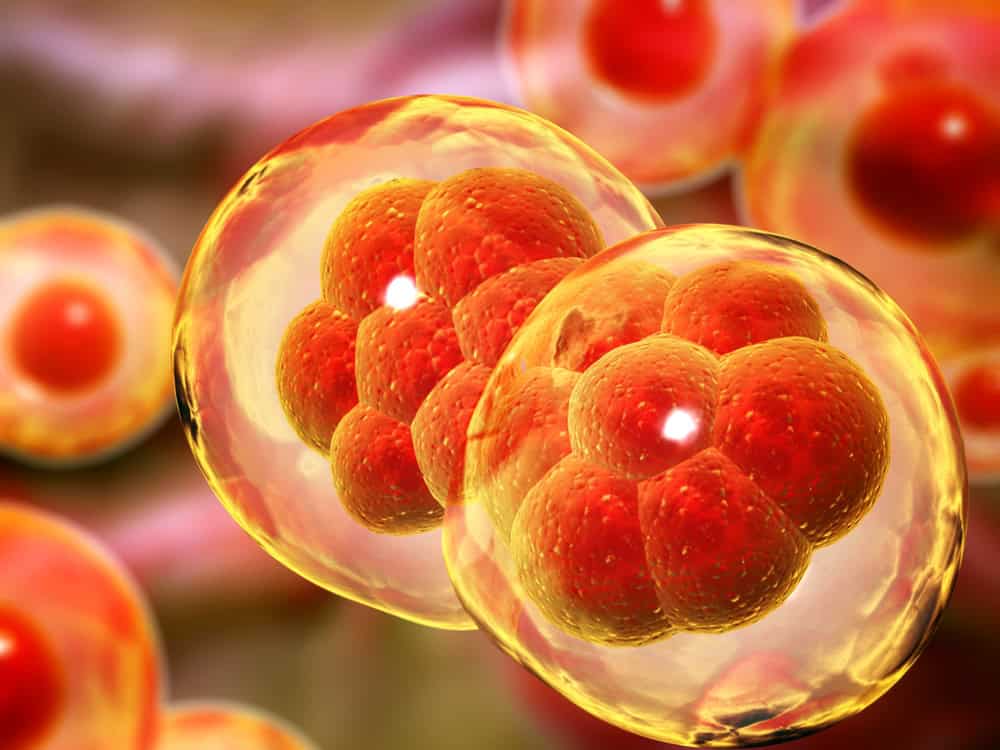
What You Should Know About Mosaic Embryo Transfer
To help couples make a more confident and informed decision about mosaic embryo transfer, it is important to understand the following key considerations:
Increased Risk of Miscarriage
Mosaic embryos tend to have lower implantation rates than euploid embryos and carry a higher risk of early miscarriage. This is because chromosomally abnormal cells may interfere with normal embryo development and complete implantation. As a result, pregnancies achieved through mosaic embryo transfer require closer medical monitoring.
Increased Risk of Fetal Anomalies
Although many babies born following mosaic embryo transfer develop normally, there remains a potential risk of fetal anomalies in certain cases. The level of risk depends on the specific chromosomes involved and the degree of mosaicism. For this reason, physicians typically recommend comprehensive prenatal monitoring and follow-up to assess fetal development throughout pregnancy.
Risk of Genetic Abnormalities in the Baby
Although many babies born from mosaic embryos develop normally, there remains a risk of chromosomal abnormalities in certain cases. For this reason, physicians often recommend additional prenatal chromosomal screening during pregnancy, such as:
- NIPT (Non-Invasive Prenatal Test): A maternal blood test used to screen for chromosomal abnormalities without affecting the fetus. While useful, it is not considered the primary diagnostic standard.
- Amniocentesis: A confirmatory diagnostic test that directly analyzes the baby’s chromosomes and provides the highest level of accuracy. This is currently the standard recommended option for definitive diagnosis.
These tests help ensure normal fetal development and reduce uncertainty throughout pregnancy and delivery.
Decisions Should Not Be Based on Numbers Alone
PGT-A results provide information on the percentage of mosaicism, the chromosomes involved, and the location of abnormalities. However, interpreting these results is complex. Two mosaic embryos with the same mosaic percentage may carry very different risks depending on which chromosomes are affected.
For example, mosaic embryos involving chromosomes 13, 18, or 21 require especially careful consideration and are generally given lower priority compared to mosaic embryos affecting other chromosomes. In most cases, embryos with these high-risk chromosomal abnormalities are not recommended for embryo transfer.
Therefore, decisions regarding mosaic embryo transfer should never be based solely on laboratory reports. They require careful evaluation by reproductive medicine specialists in collaboration with experienced genetic embryologists.
Informed Consent Is Essential
Before proceeding with mosaic embryo transfer, physicians must provide complete and transparent information so couples fully understand the potential risks and outcomes, including:
- Expected success rates and miscarriage risk
- Potential chromosomal abnormalities in the baby
- Recommended pregnancy monitoring and follow-up plans
Physicians should also discuss alternative options, such as:
- Starting a new cycle to increase the chance of obtaining a euploid embryo
- Proceeding with a subsequent ICSI cycle
- Selecting the next-ranked embryoป
This process allows couples to carefully weigh risks and alternatives before making a decision that aligns with their expectations and family goals.
Mosaic embryo transfer is a decision that requires comprehensive information, a clear understanding of potential risks, accurate embryo diagnosis by specialized embryologists, and close collaboration with fertility specialists. This integrated approach helps couples move forward with pregnancy planning confidently and responsibly.
For those interested, IVF and ICSI treatment planning, along with embryo selection performed by experienced embryologists using advanced technologies and embryoscope benefits such as continuous time-lapse monitoring to improve embryo assessment accuracy, is available at VFC Center, a specialized fertility treatment center dedicated to supporting couples on their journey to parenthood.
Article by DR.Wanakan Singhasena
Contact or Book a Consultation:
VFC Center – V-Fertility Center
Hotline: 082-903-2035
LINE Official: @vfccenter
Frequently Asked Questions (FAQs)
How is a mosaic embryo different from a normal (euploid) embryo ?
A euploid embryo has a normal or balanced set of chromosomes in all tested cells. A mosaic embryo contains a mix of normal and abnormal cells, which may slightly increase the risks related to implantation and fetal development. Even so, successful pregnancy is still possible in many cases.
If a mosaic embryo is identified, should couples wait for a new cycle to obtain a euploid embryo instead ?
Not necessarily. The decision depends on factors such as the woman’s age, the number of available embryos, and overall health considerations. If no euploid embryos are available, a fertility specialist may recommend transferring a low-risk mosaic embryo, provided the couple clearly understands the potential risks, such as miscarriage or fetal abnormalities.
Can a mosaic embryo develop into a normal embryo ?
It is possible. In some cases, abnormal cells may be eliminated during early development. However, this outcome cannot be predicted with certainty. Therefore, close monitoring is essential, and amniocentesis is typically recommended at 16-18 weeks of pregnancy to confirm the fetal chromosomal status.
How much does maternal age affect the likelihood of mosaic embryos ?
The likelihood of chromosomal abnormalities-including mosaic embryos-increases with maternal age. Women over 35 years old generally have a higher incidence of mosaic embryos compared with younger women.
Which types of mosaic embryos may be considered for embryo transfer ?
Certain mosaic embryos with low levels of chromosomal abnormalities, or abnormalities that are not associated with severe developmental outcomes, may be considered for embryo transfer. However, mosaic embryos involving chromosomes 13,14,16,18,21 and 45,X are generally not recommended. Each case must be individually assessed by a fertility specialist to carefully balance risks and potential success before making a decision.

OBSTETRICS AND GYNAECOLOGY-REPRODUCTIVE MEDICINE
No Comments
Sorry, the comment form is closed at this time.