



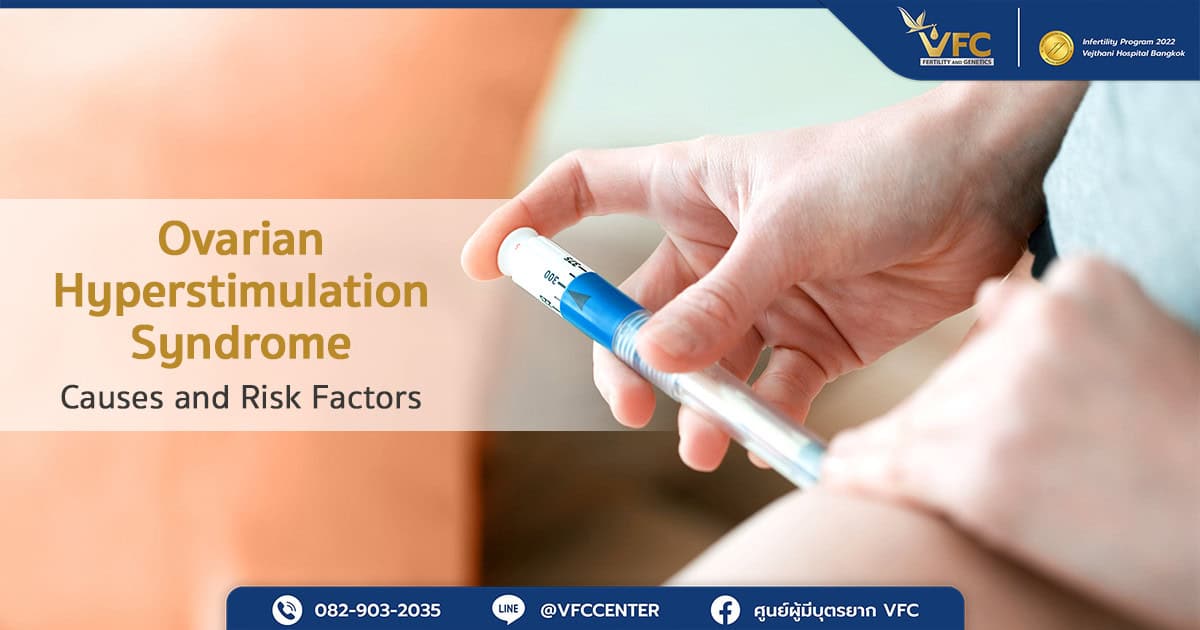
In the process of treating infertility, the ovary is the primary organ that requires close monitoring. Irregular ovulation or low egg quality can significantly reduce the chances of pregnancy. Therefore, ovarian stimulation is a technique used by physicians to help the ovary produce high-quality eggs in sufficient quantities for effective ICSI treatment.
Although ovarian stimulation can greatly increase the likelihood of pregnancy, it may also lead to a complication known as ovarian hyperstimulation syndrome (OHSS). This is a condition that patients undergoing fertility treatment should fully understand in order to prepare and manage risks appropriately.
What is Ovarian Stimulation and Why is it Essential for Fertility?
Ovarian stimulation involves the use of synthetic hormone medications, primarily Follicle Stimulating Hormone and Luteinizing Hormone, to encourage the ovaries to produce multiple follicles within a single menstrual cycle. This differs from natural ovulation, where typically only one egg is released per cycle. The goal is to prepare the body for infertility treatment and improve treatment outcomes.
- Increase the chance of obtaining embryos: Producing multiple eggs increases the likelihood of generating several embryos, allowing physicians to select the highest-quality embryo for implantation.
- Cycle control: Enables fertility specialists to precisely monitor egg development and accurately schedule egg retrieval.
The Ovarian Stimulation Process
Ovarian stimulation medications are available in both oral and injectable forms. Both types aim to stimulate the ovaries to produce multiple eggs, particularly during ICSI treatment.
Oral Medications
These commonly include Clomiphene Citrate, which is often used in less complex fertility treatments such as ovulation induction combined with timed intercourse or IUI (intrauterine insemination). This medication typically results in the development of 1 to 3 eggs. It works by signaling the body that estrogen levels are low, prompting the pituitary gland to release FSH and stimulate the ovary.
Injectable Gonadotropins
Injectable gonadotropins are synthetic hormones with high potency and typically contain FSH or LH. These medications are a core component of ICSI treatment, as they act directly on the ovaries to stimulate the simultaneous growth of multiple follicles. This allows physicians to retrieve a sufficient number of eggs for embryo creation.
Both types of ovarian stimulation medications play an important role in increasing egg numbers and significantly improving pregnancy success rates.
Consult a fertility specialist to increase your chances of a successful pregnancy.
Understanding and Managing Ovarian Hyperstimulation Syndrome
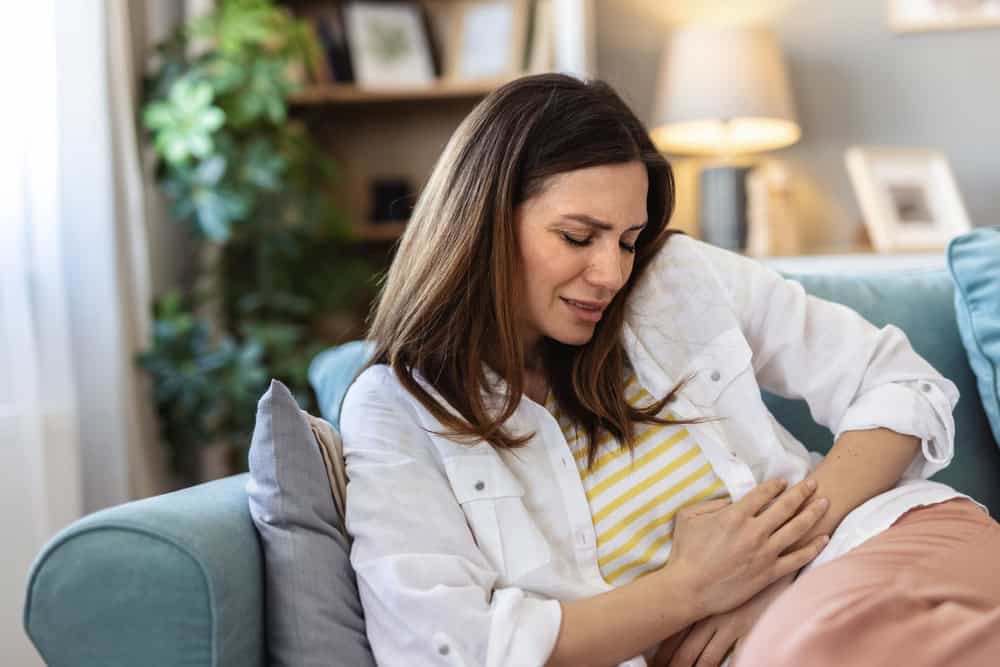
While ovarian stimulation enhances pregnancy outcomes, excessive ovarian response can lead to ovarian hyperstimulation syndrome. This condition may cause ovarian enlargement, fluid retention in the abdomen, and potentially serious complications. In severe cases, physicians must closely monitor for conditions such as blood clots or excessive fluid accumulation in the abdominal or chest cavities, which can pose serious health risks. Common symptoms include:
- Abdominal discomfort: Pain, tightness, and bloating that may be severe enough to prevent eating.
- Rapid weight gain: A quick increase in waist circumference and body weight.
- Gastrointestinal symptoms: Dizziness, nausea, vomiting, and diarrhea.
- Respiratory symptoms: Difficulty breathing or shortness of breath and easy fatigue.
If severe symptoms occur, such as intense abdominal pain, breathing difficulty, or significantly reduced urine output, immediate medical attention is required.
Individuals at High Risk for Ovarian Hyperstimulation Syndrome
OHSS is caused by an excessive response of the ovary to stimulation medications. While the exact cause is not fully understood, it is likely related to high estrogen levels. High-risk groups include:
- Younger women: Specifically those under the age of 35.
- Low body weight: Women with a thin build are at a higher risk.
- Polycystic Ovary Syndrome (PCOS): Patients with PCOS have a high number of antral follicles in the ovary, making them highly sensitive to hormonal medications.
- High AMH levels: This indicates a high ovarian reserve, increasing the risk of producing too many eggs.
- History of OHSS: Those who experienced the syndrome in previous stimulation cycles.
- High egg count: Retrieving more than 15–20 eggs in a single cycle.
- FSHR Gene Genotype NN: This genotype is associated with a higher-than-normal response to FSH hormones.
Prevent the risk of OHSS with a fertility specialist at VFC Center.
Self-Care Tips Before and After Ovarian Stimulation
Preparing both physically and emotionally is essential for optimal response to medications and minimizing complications. Following medical guidance helps ensure a smooth fertility journey with greater confidence.
Before and During Ovarian Stimulation
Proper preparation improves medication response and allows physicians to tailor treatment precisely.
After Egg Retrieval
This is the period with the highest OHSS risk, particularly if pregnancy occurs in the same cycle.
- Self-monitoring and symptom awareness: Maintain adequate hydration without excessive fluid intake and continue a high-protein diet to reduce fluid leakage. Seek medical care immediately if severe symptoms appear.
- Avoid high-risk activities: Refrain from intense exercise and sexual intercourse due to the risk of ovarian torsion or rupture.
- Daily tracking: Monitor body weight, waist circumference, fluid intake, and urine output.
Ovarian stimulation is a vital tool for those facing infertility due to ovary issues, but it must be managed by a specialist to prevent ovarian hyperstimulation syndrome (OHSS). If you are considering stimulation or need a comprehensive fertility plan, the team at VFC Center (V-Fertility Center) is ready to provide personalized care through every step of your journey. For those with low ovarian reserve, we also offer advanced options like PRP Ovarian Rejuvenation.
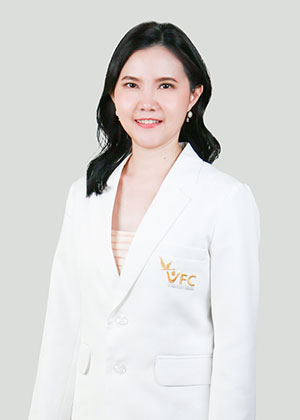
Article by: Dr. Sorramon Songveeratham
For consultations or appointments, contact:
VFC Center – V-Fertility Center
Hotline: 082-903-2035
LINE Official: @vfccenter
Frequently Asked Questions (FAQs)
If ovarian hyperstimulation occurs, must embryo transfer be canceled immediately?
In moderate to severe cases, physicians often recommend freezing all embryos and postponing embryo transfer until the next cycle, allowing the body to fully recover from OHSS.
What are the severity levels of ovarian hyperstimulation syndrome?
OHSS ranges from mild symptoms such as bloating to severe cases requiring hospitalization. Severity is assessed through ultrasound findings and fluid accumulation measurements.
Can ovarian hyperstimulation syndrome resolve on its own?
Symptoms typically improve once menstruation begins. However, if pregnancy occurs, symptoms may persist for an additional two to three weeks.
OBSTETRICS AND GYNAECOLOGY-REPRODUCTIVE MEDICINE
No Comments
Sorry, the comment form is closed at this time.