





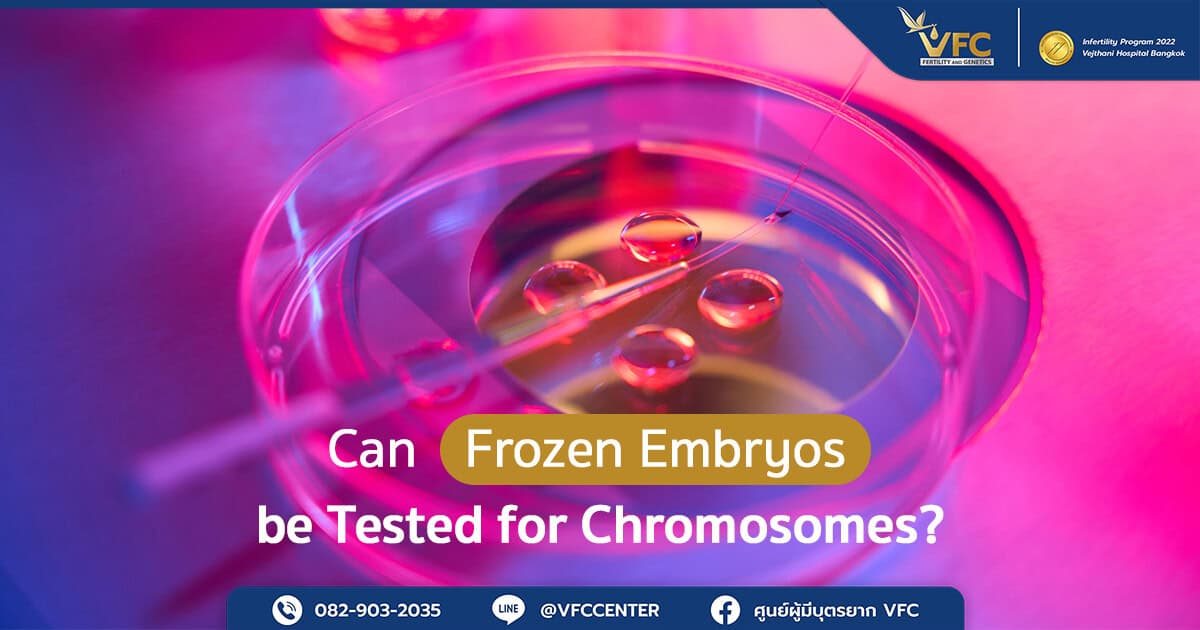
Many couples who have frozen embryos may wonder if it’s possible to test the chromosomes after freezing, or if it must be done before freezing. Let’s explore the principles of embryo chromosome testing (PGT) and the procedure when embryos have already been frozen. We will also discuss the benefits and limitations of PGT-A testing both before and after embryo freezing.
Can Frozen Embryos Be Tested for Chromosomes ?
Yes, frozen embryos can be tested for chromosomes, but this requires a specialized process managed by expert embryologists in a controlled laboratory. PGT-A (preimplantation genetic testing for aneuploidy) involves removing a few cells from the embryo for testing, which can only be done after the embryo is thawed and restored to a viable state that allows for growth in a safe environment.
Why Do Embryos Need to Be Thawed Before PGT-A Testing ?
Frozen embryos cannot undergo cell biopsy until they are thawed and restored to an optimal condition. This allows for the extraction of a few cells, which will then be analyzed for chromosomal abnormalities, such as extra or missing chromosomes. This analysis helps evaluate the embryo’s likelihood of successful implantation, miscarriage risks, and overall pregnancy success.
Steps for PGT-A After Embryo Freezing
The process of PGT-A after freezing embryos must follow strict lab standards. The key steps are:
Thawing and Culturing
Once the process begins, the expert team thaws the embryos using specialized techniques to preserve their structure and quality as much as possible. The embryos are then cultured in a cleanroom lab to monitor their viability, cell division, and overall readiness for cell biopsy.
Cell Biopsy for PGT-A
Once the embryos are confirmed to be viable, the specialist uses a laser to extract a small number of cells (about 3-5 cells) from the trophectoderm, which is the part of the embryo that will become the placenta. This process is safe and minimizes the risk of damaging the embryo. After the cells are extracted, they are sent for chromosome testing to identify any abnormalities linked to maternal age or miscarriage risks. This data improves the accuracy of selecting the best embryo for future embryo transfer during ICSI.
Refreezing the Embryo and Waiting for Results
After the cells are biopsied, the embryo is refrozen (refreezing) while awaiting the PGT-A results, which typically take 10-14 days. Refreezing ensures that the embryo can be preserved without compromising quality.
If the results are normal, the medical team can then plan the embryo thawing and transfer process.
Benefits of PGT-A After Embryo Freezing
Performing embryo chromosome testing after freezing offers several advantages, especially when you have frozen embryos from previous cycles or have faced challenges with embryo transfers.
Increased Confidence Before Embryo Transfer
Chromosome testing helps select only the embryos with normal chromosomes, which are most likely to implant in the uterus. This reduces the risk of miscarriage, failed transfers, and ensures more confident decisions when choosing embryos for future ICSI procedures.
Ideal for Couples with Existing Frozen Embryos
Couples who have previously undergone IVF or ICSI and have frozen embryos can use PGT-A testing to evaluate the quality of those embryos without the need to start a new stimulation cycle. This saves time, reduces costs, and minimizes stress from egg stimulation and sperm collection.
Screening for Chromosomal Abnormalities in Older Women
As women age, the likelihood of chromosomal abnormalities such as Trisomy 21, also known as Down syndrome, increases. PGT-A after freezing helps screen for healthy embryos, increasing the chances of a successful pregnancy and reducing the risk of miscarriage.

Limitations of PGT-A After Embryo Freezing
While embryo chromosome testing improves pregnancy success rates, there are some limitations to consider before making a decision, ensuring that it’s right for your case.
Embryos Must Go Through Thawing and Refreezing Multiple Times
Although modern freezing techniques are highly safe, multiple thawing and refreezing cycles can affect embryo quality, particularly for embryos with low initial quality. Each case should be assessed individually before proceeding.
Waiting for PGT-A Results Prevents Immediate Embryo Transfer
PGT-A results typically take 10-14 days, which means embryos cannot be transferred during the same cycle they are thawed. Embryos must be refrozen again before transferring in the next cycle.
Not Suitable for Poor-Quality Embryos
Embryos that divide slowly, fail to recover properly, or are graded as low quality may not be suitable for cell biopsy or refreezing, as they may not survive or could be damaged during the process.
PGT-A Before or After Freezing: Which Is Better ?
The choice of when to test for chromosomal abnormalities (PGT-A) depends on your treatment history, the number of embryos available, and your health and age. Both timings have unique advantages and should be considered based on your family planning goals.
PGT-A Before Freezing (Immediate Testing After Embryo Culture)
Testing at this stage ensures embryos are frozen only once, reducing the risk of damage from multiple thawing cycles. This is ideal for couples who are ready for embryo transfer soon or those who prefer systematic family planning from the start.
PGT-A After Freezing
Testing after embryo freezing is suitable for couples with stored embryos from previous cycles. It provides a chance to evaluate the embryos before deciding whether to keep, discard, or transfer them. It is particularly beneficial for women over 35, those who’ve experienced multiple failed transfers, or those who want to screen embryos before making a final decision.
Who Should Do PGT-A Testing After Freezing ?
If you have frozen embryos, PGT-A testing may help reduce the risk of failed transfers and increase your chances of a successful pregnancy, especially in the following cases:
- Previous failed embryo transfers
- Unexplained miscarriage history
- Family history of chromosomal abnormalities
- Women over 35 with remaining frozen embryos
- Need to assess old embryos before deciding to discard or keep for future use
Summary: Can Frozen Embryos Be Tested for Chromosomes?
It is clear that PGT-A testing for frozen embryos requires a thawing, culturing, biopsy, and refreezing process, which is a standard procedure used by leading fertility clinics worldwide. However, the embryo quality and the necessity of testing should be carefully considered for each individual case to ensure the best possible outcome.
If you’re considering embryo chromosome testing, whether your embryos have been frozen for a short or long time, VFC Center has expert reproductive medicine specialists and state-of-the-art equipment to assess and provide tailored advice, ensuring you select the healthiest embryos to achieve a successful pregnancy. Additionally, if you are considering sperm freezing, contact us for more information on sperm freezing costs.
Article by Dr. Nannapat Parosiyanont
Contact or Book a Consultation:
VFC Center – V-Fertility Center
Hotline: 082-903-2035
LINE Official: @vfccenter
Frequently Asked Questions About Embryo Chromosome Testing (PGT-A) After Freezing (FAQs)
Is it dangerous to freeze and thaw embryos multiple times ?
Modern freezing technology is safe, and embryos generally maintain good quality. However, multiple freezing cycles can slightly increase the risk in cases of weak embryos. It's important to test in a clinic with high standards to minimize this risk.
Do all embryos need to undergo PGT-A testing ?
PGT-A testing is not necessary for all embryos. It's ideal for couples with risk factors such as women over 35, multiple miscarriages, or failed embryo transfers to increase the chance of selecting the healthiest embryo.
How long does it take to get PGT-A results after embryo freezing ?
PGT-A results typically take 10-14 days after cell biopsy, meaning embryos cannot be transferred in the same cycle. They must be refrozen and await results before transfer planning.
Can embryos frozen that have been for years still undergo PGT-A testing ?
Yes, embryos that have been frozen for years can still be tested for PGT-A, provided they maintain good quality after thawing and culturing. Our team will assess embryo viability before starting the testing process.

No Comments
Sorry, the comment form is closed at this time.