



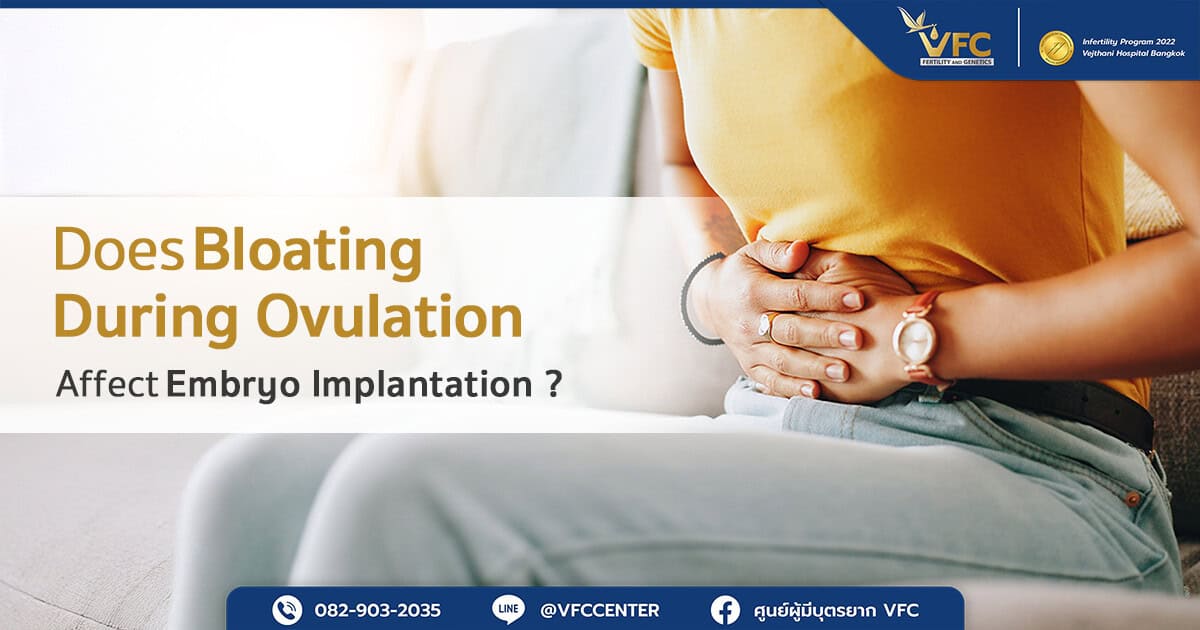
Women who are planning to conceive often notice symptoms such as bloating during ovulation, abdominal tightness, cramping, or general discomfort more than usual. This can lead to concerns about whether these symptoms may affect embryo implantation, especially for those undergoing IVF or ICSI, where every step must be carefully planned to ensure the body is fully prepared for pregnancy. Understanding the connection between bloating during ovulation and hormonal changes can help women take proper care of themselves and support a healthier environment for successful embryo implantation.
Consult fertility specialists at VFC Center to plan infertility treatment with confidence
What Is Bloating During Ovulation ?
Bloating during ovulation is caused by hormonal fluctuations-primarily changes in estrogen and progesterone levels during the period when the ovaries prepare to release an egg and shortly after ovulation. These hormonal shifts can slow gastrointestinal movement, increase fluid retention, and lead to more gas in the intestines than usual. Common symptoms include:
- Abdominal tightness or a feeling of fullness
- Noticeable abdominal swelling
- Frequent passing of gas or burping
- Crampy or colicky abdominal pain
These symptoms are considered a normal part of the body’s natural changes during ovulation and are not typically a sign of an abnormal condition
How Does Bloating During Ovulation Affect Embryo Implantation ?
Although bloating during ovulation does not directly cause implantation failure-because it is a hormone-related symptom and does not directly affect the uterine cavity-it may have indirect effects in certain situations, as outlined below.
Hormone-related bloating may slightly reduce blood flow to the uterus
Rising progesterone levels can slow digestive movement, leading to bloating and abdominal fullness. In some individuals, this may slightly reduce blood circulation to the pelvic area, which can indirectly influence the uterine environment.
Stress caused by bloating can affect hormonal balance
Feeling uncomfortable or bloated may increase anxiety, which can raise cortisol levels (the stress hormone). Elevated cortisol may interfere with the balance of hormones involved in embryo implantation, such as progesterone and estrogen.
Severe or unusual bloating may signal conditions that affect implantation
For couples undergoing IVF or ICSI, severe bloating, significant abdominal tightness, shortness of breath, or pelvic pain may be warning signs of OHSS (Ovarian Hyperstimulation Syndrome)—a condition caused by excessive ovarian stimulation. This requires immediate medical attention, as it may negatively impact embryo implantation.
In summary, while typical bloating is not dangerous, bloating accompanied by unusual or severe symptoms should be properly evaluated by a specialist.
Consult fertility specialists at VFC Center to plan infertility treatment with confidence

How to Manage Bloating During Ovulation to Support Embryo Implantation
Properly managing bloating during ovulation is one way to help keep the body in an optimal condition for pregnancy-especially during the waiting period for embryo implantation. The following approaches are recommended:
Adjust your diet
Avoid foods that commonly cause gas, such as fermented foods, greasy or high-fat meals, carbonated drinks, and dairy products if you have a history of lactose intolerance. Choose easy-to-digest options like soups, steamed vegetables, or rice porridge to support smoother digestion.
Drinking warm water can also help stimulate blood circulation in the pelvic area, reduce intestinal gas, and improve overall comfort.
Light walking to improve bowel movement
Light walking for about 15–20 minutes a day can stimulate intestinal movement, reduce gas buildup that causes bloating, and enhance blood flow to the uterus and ovaries—beneficial during pregnancy preparation.
Walking also promotes relaxation and helps lower stress levels that may otherwise interfere with hormones important for embryo implantation.
Improve posture and body positioning
Daily posture has a direct impact on bloating. Avoid lying face down or sitting in a hunched position, as these can compress the intestines and increase gas. Sitting upright and maintaining a neutral posture helps the intestines move more freely, reduces abdominal pressure, and supports better blood circulation.
Avoid certain over-the-counter anti-bloating medications
While some medications may relieve bloating quickly, certain types can overly suppress intestinal contractions and potentially reduce blood flow to the uterus-especially in individuals undergoing IVF or ICSI. Self-medication is not recommended; always consult your doctor before taking any medication.
Monitor for abnormal warning signs
Although bloating during ovulation is usually not dangerous, worsening abdominal tightness, vomiting, unusual abdominal swelling, shortness of breath, or pain radiating to the back should prompt immediate medical attention. These may be signs of OHSS (Ovarian Hyperstimulation Syndrome), particularly in patients who have recently received ovarian stimulation medications. Early evaluation helps prevent complications and ensures safety during pregnancy preparation.
If you are preparing for pregnancy and would like professional guidance on symptoms related to ovulation stimulation or how to optimize the uterine lining for successful embryo implantation, you can receive a comprehensive evaluation and consultation with reproductive medicine specialists at VFC-V-Fertility Center. As a trusted fertility hospital in Thailand, we provide close, personalized care at every stage of fertility treatment to support your journey toward a healthy pregnancy with confidence.
Article by Dr. Nannapat Parosiyanont
For inquiries or to book a consultation:
VFC Center – V-Fertility Center
Hotline: 082-903-2035
LINE Official: @vfccenter
Frequently Asked Questions (FAQs)
Can severe bloating prevent embryo implantation ?
In general, bloating does not interfere with embryo implantation. However, if bloating is unusually severe, it may be a sign of OHSS (Ovarian Hyperstimulation Syndrome), which can affect implantation. A medical evaluation is recommended in such cases.
Is severe bloating during IVF or ICSI dangerous ?
If bloating becomes severe, with rapid abdominal swelling, tightness, shortness of breath, or lower abdominal pain, it may indicate OHSS, which can occur in patients receiving ovulation-stimulating medications. Immediate medical assessment is important for safety.
Does bloating affect egg quality ?
Bloating does not directly affect egg quality. However, stress and insufficient rest-often associated with bloating-may disrupt hormonal balance and impact overall health in individuals preparing for IVF or ICSI treatment.

No Comments
Sorry, the comment form is closed at this time.