





Transferring embryos from an original clinic to a new one is an option many couples consider when planning future family building. However, embryo transfer between clinics is not a simple process, as it involves multiple medical, logistical, and cost-related considerations.
This article explains everything you need to know about transferring embryos from another clinic and embryo storage, including procedures, preparation steps, and essential factors to consider before making a decision.
Interested in embryo storage or transferring embryos to VFC Center? Contact us today.
Is It Possible to Transfer Embryos to a New Clinic?
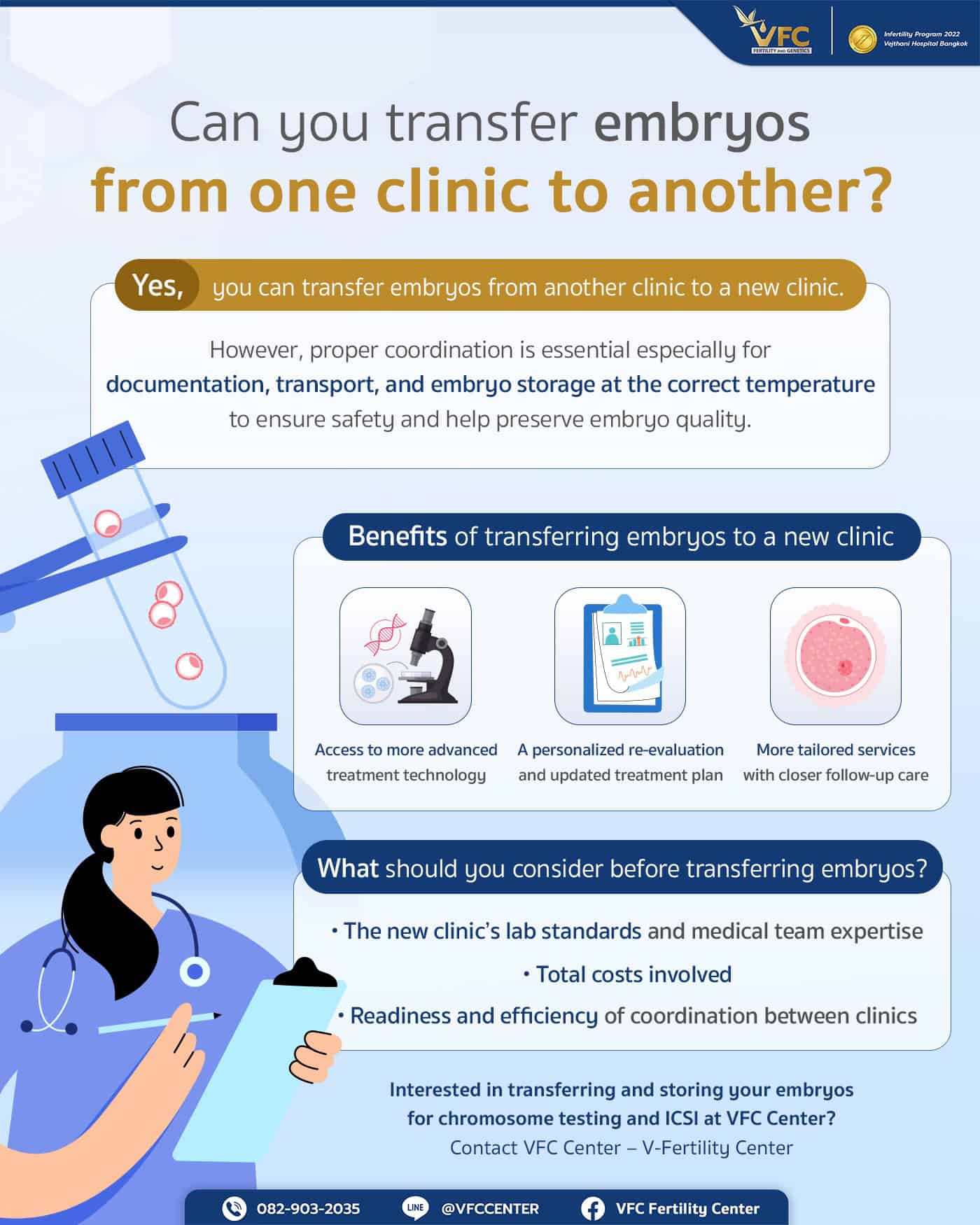
Yes, transferring embryos from another clinic is possible. Frozen embryos can be safely transported under strictly controlled temperature conditions to maintain their quality and viability for future use.
The process begins by notifying both the original and receiving clinics, followed by proper documentation and coordination before transportation can proceed.
Steps for Embryo Transfer
The embryo transfer process generally includes the following steps:
- Notify both clinics: Prepare required documents such as consent forms, freezing certificates, treatment records, and current embryo storage details.
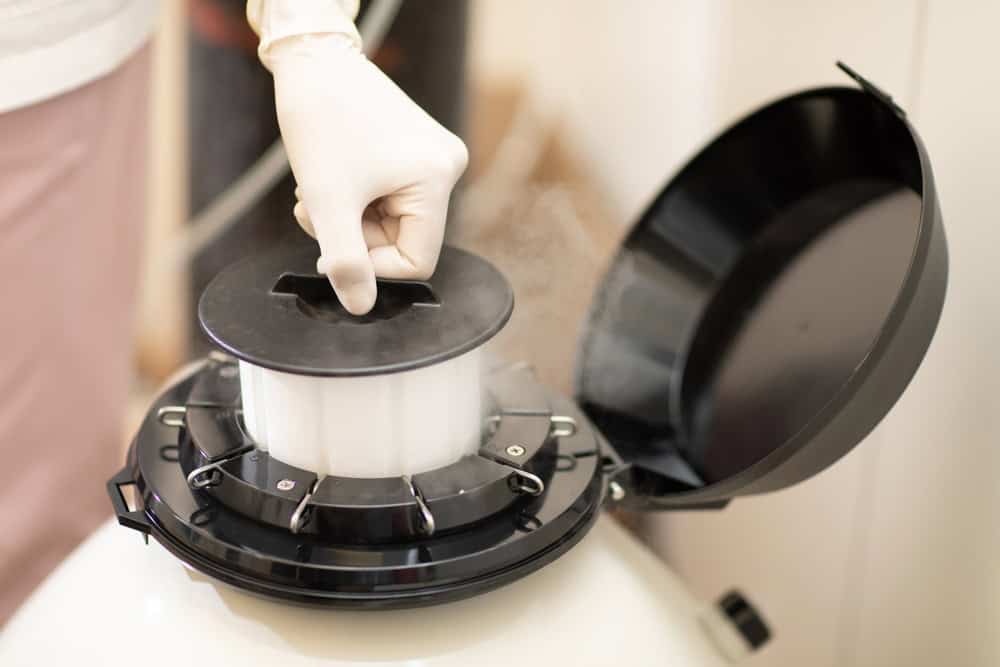
- Select a certified embryo transport service: Embryos are transported using specialized containers maintained at −196°C, such as liquid nitrogen dry shippers.
- Monitor storage conditions during transport: Nitrogen levels and container integrity must be checked throughout the transfer to ensure embryo safety.
Associated Costs
Costs vary depending on the clinics and transport provider but typically include:
- Embryo transportation fees
- Documentation and coordination service fees
- Embryo storage fees at the receiving clinic (monthly or annual)
Understanding Embryo Storage
What Is Embryo Storage?
embryo storage refers to preserving embryos created through IVF or ICSI by freezing them at extremely low temperatures, allowing future use when the couple is ready.
How Embryo Storage Works
The embryo storage process includes:
- Ovarian stimulation to produce multiple eggs
- Egg retrieval and fertilization
- Culturing embryos to the appropriate stage
- Cryopreservation at ultra-low temperatures to extend storage longevity
In some cases, doctors may recommend additional embryo quality testing, such as chromosomal screening, to improve future embryo transfer success rates.
Benefits of Embryo Storage
Key advantages of embryo storage include:
- Future reproductive options: Allows selection of healthy embryos when the timing is right, improving pregnancy success rates.
- Reduced infertility risks: Embryo quality is preserved at a younger age, even if pregnancy occurs years later.
- Flexible family planning: Couples can manage work, health, and personal circumstances without rushing, knowing embryos are safely stored.
Benefits of Transferring Embryos to a New Clinic
Access to Advanced Fertility Technology
Transferring embryos to a new clinic may provide access to advanced technologies such as improved embryo culture systems, enhanced temperature-controlled storage, modern cryopreservation tools, and genetic testing (PGT). These innovations can significantly impact implantation and pregnancy success rates.
More Personalized Treatment Evaluation
Unsuccessful outcomes at a previous clinic may be related to embryo transfer timing, uterine preparation, or treatment strategy. A new clinic allows fertility specialists to reassess prior results, review embryo quality, and redesign a personalized treatment plan.
Enhanced Care and Close Follow-Up
Changing clinics can offer improved communication, detailed embryo quality reporting, emotional support services, and closer follow-up—helping couples feel more confident and supported throughout treatment.
Consult VFC Center for embryo storage and transfer planning.
Important Considerations Before Transferring Embryos
Choosing the Right Clinic
Select a clinic experienced in embryo transfer, with certified laboratories, advanced storage systems, and strict safety protocols to ensure embryo integrity.
Budget Planning
Costs may include transportation, documentation, storage fees, and pre-treatment assessments. Planning ahead ensures informed and confident decision-making.
Clinic-to-Clinic Coordination
Successful transfer depends on accurate communication between clinics, including medical records, embryo identification, and laboratory documentation.
Transferring embryos and choosing embryo storage can increase future pregnancy opportunities when done correctly, with careful planning and coordination.
Start Your Family Planning Journey with VFC Center
If you are considering embryo transfer or embryo storage, VFC Center (V-Fertility Center) provides comprehensive support from coordinating embryo transfer from another clinic to long-term storage and genetic testing.
Contact us today to receive personalized guidance and transparent information about embryo storage price
Article by: Dr. Worawat Siripoon
Contact or Book an Appointment:
VFC Center – V-Fertility Center
Hotline: 082-903-2035
LINE Official: @vfccenter
Frequently Asked Questions (FAQs)
Q : How long can frozen embryos be stored
A: Frozen embryos can be safely stored for many years under proper conditions without significant quality loss.
Q : Does embryo transfer affect embryo quality?
A: No, when performed correctly with strict temperature control, embryo quality remains unchanged.
Q : Do embryos need retesting after transfer?
A: It depends. If genetic testing (PGT-A) was not previously performed, doctors may recommend it to improve pregnancy success.

OBSTETRICS AND GYNAECOLOGY-REPRODUCTIVE MEDICINE
No Comments
Sorry, the comment form is closed at this time.