





“Is a cervical polyp dangerous?”
“Can you get pregnant if you have a cervical polyp?”
These are common concerns for many women who discover they have a cervical polyp, especially couples who are planning to conceive. Understanding the causes, symptoms, and treatment options can help you prepare for pregnancy with greater confidence and clarity.
Get a comprehensive fertility health check at VFC Center
What Are Cervical Polyps?
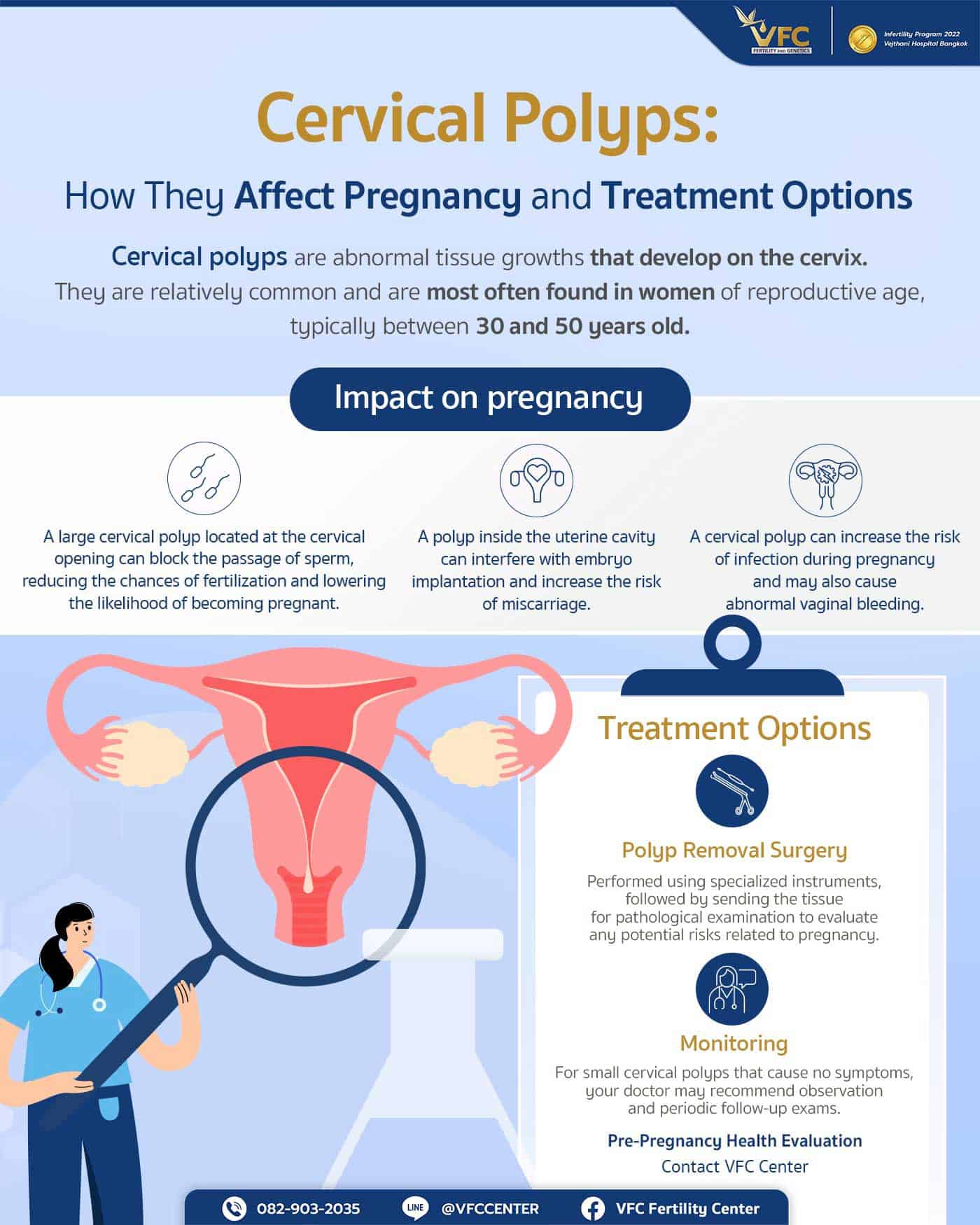
Cervical polyps are abnormal growths of soft tissue that develop on the cervix, commonly presenting as small, smooth, reddish bumps. These growths are known as cervical polyps and are frequently found in women of reproductive age, especially between 30 and 50 years old.
Most cervical polyps do not cause pain or noticeable symptoms. Many women only discover they have a polyp during a routine pelvic exam or cervical cancer screening (Pap smear). The size and number of polyps can vary—some women may have a single small polyp, while others have multiple or larger ones.
The majority of cervical polyps are non-cancerous and do not progress into cervical cancer. However, if a polyp grows large, causes irregular bleeding, or leads to abnormal discharge, it is important to consult a gynecologist for further evaluation and appropriate treatment.
What Causes Cervical Polyps?
The exact cause of cervical polyps is still not fully understood, but several factors are believed to contribute to their development:
Hormonal Factors
Hormonal fluctuations—especially elevated estrogen levels—are thought to play a major role in stimulating abnormal tissue growth in the cervix and vaginal area. This is why cervical polyps commonly occur in women of reproductive age and during pregnancy.
Infections or Inflammation
Chronic inflammation of the cervix or bacterial infections in the vaginal area can trigger abnormal repair processes in the cervical lining, potentially leading to polyp formation.
Cervical Injury From Childbirth
Childbirth or procedures such as dilation and curettage (D&C) may cause trauma to the cervix. As the tissue heals, abnormal growth can occur, increasing the likelihood of developing cervical polyps.
Are Cervical Polyps Dangerous?
Although most cervical polyps are benign, leaving them untreated can sometimes affect quality of life and may impact fertility or pregnancy in certain situations. Potential risks include:
Complications During Childbirth
Large polyps or those located in obstructive positions can interfere with the birth canal during vaginal delivery. This may require assisted delivery methods or, in some cases, consideration of a cesarean section.
Irritation and Discomfort
Some polyps may become irritated easily, especially during sexual intercourse, vaginal douching, or pelvic examinations. This can lead to discomfort, tenderness, or spotting between periods (intermenstrual bleeding). Polyps may also be prone to minor injury due to friction.
Effects on Fertility and Pregnancy
Cervical polyps can influence fertility and pregnancy in several ways:
- Blockage of sperm entry: If a polyp is large or positioned directly at the cervical opening, it may hinder sperm from reaching the egg, reducing the chance of conception.
- Impact on embryo implantation: Polyps located inside the uterine cavity (uterine polyps) can interfere with healthy embryo implantation, contributing to infertility or an increased risk of miscarriage.
- Risks during pregnancy: If a cervical polyp remains during pregnancy, it may raise the risk of infection or abnormal vaginal bleeding. Pregnant women with polyps should be monitored closely by their obstetrician.
Get a comprehensive fertility health check at VFC Center
How to Treat and Manage a Cervical Polyp
The appropriate treatment for a cervical polyp depends on several factors, such as its size, location, symptoms, and whether the patient is planning to get pregnant. The main approaches include:
Polyp Removal
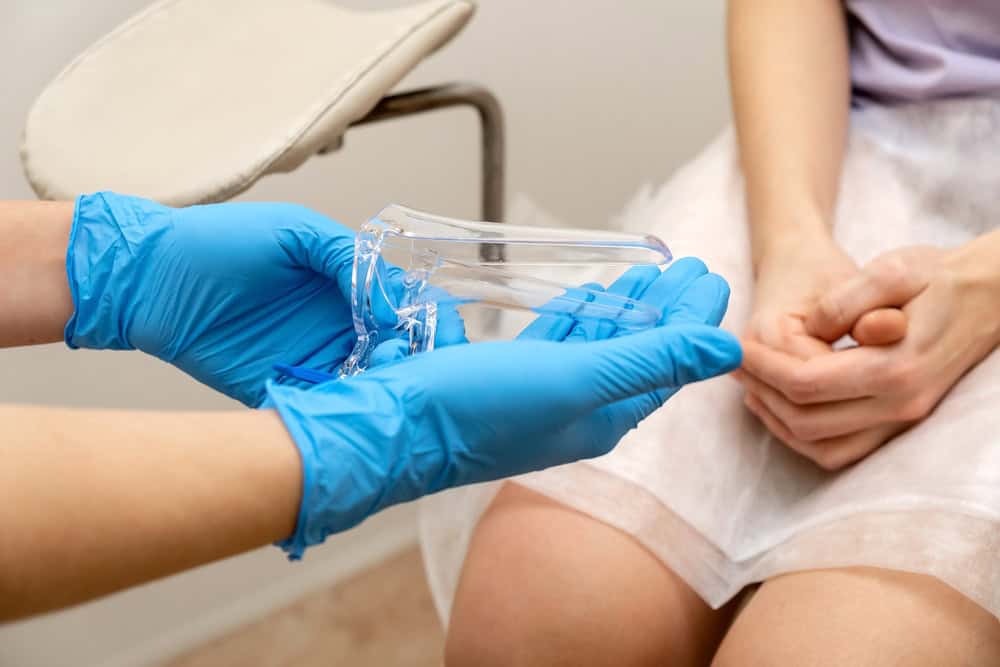
The most common treatment is a minor outpatient procedure in which the physician performs a pelvic exam and removes the polyp using specialized instruments. The procedure is quick, does not require hospitalization, and typically causes minimal discomfort. After removal, the tissue is sent for pathological examination to confirm that it is benign.
Monitoring and Observation
For small cervical polyps that cause no pain or abnormal bleeding, the doctor may recommend observation rather than immediate removal. Regular follow-ups help ensure that the polyp does not grow or cause symptoms, and this approach is often suitable for women who are not yet ready for surgery.
If you have a cervical polyp and are planning to get pregnant, undergoing a comprehensive health evaluation—including reproductive readiness testing—is essential. This helps assess potential risks that could affect conception or pregnancy.
At VFC Center (V-Fertility Center), we offer complete fertility assessments, pre-pregnancy planning, and medical guidance on managing cervical polyps safely. With comprehensive infertility screening in Bangkok, our team helps identify potential issues early and provides personalized treatment plans. Our goal is to help couples prepare for pregnancy with confidence and clarity.
Article by Dr. Sorramon Songveeratham
Contact or Book a Consultation:
VFC Center – V-Fertility Center
Hotline: 082-903-2035
LINE Official: @vfccenter
Frequently Asked Questions (FAQs)
Q : Can a cervical polyp come back after removal?
A : Yes. Even after removal, new cervical polyps can recur, especially if underlying factors persist, such as chronic inflammation, hormonal imbalance, or lack of regular follow-up. Doctors typically recommend pelvic exams every 6–12 months to monitor for recurrence.
Q : Do cervical polyps affect menstrual periods?
A : Typically, cervical polyps do not directly affect menstrual cycles. However, some women may experience spotting between periods or bleeding after intercourse, which can indicate a large polyp or inflammation in the cervical area.
Q : Is it safe to have sexual intercourse if I have a cervical polyp?
A : Yes, you can have intercourse. However, if you experience pain, bleeding, or unusual discharge afterward, you should avoid sexual activity temporarily and see a doctor. These symptoms may suggest irritation of the polyp or an accompanying infection.
Q : How long is the recovery period after cervical polyp removal?
A : Most women can return to their normal daily activities within 1-2 days. However, it is recommended to avoid sexual intercourse and vaginal douching for 1-2 weeks to allow proper healing and reduce the risk of infection.

OBSTETRICS AND GYNAECOLOGY-REPRODUCTIVE MEDICINE
No Comments
Sorry, the comment form is closed at this time.