





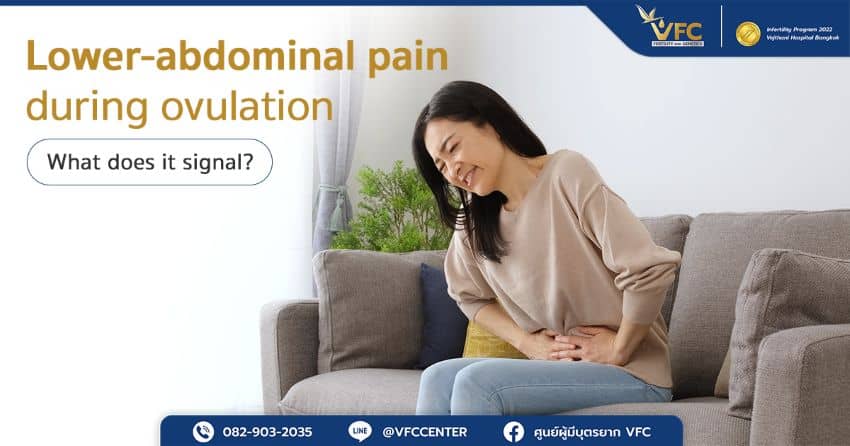
Lower abdominal pain during ovulation (also known as ovulation pain or Mittelschmerz) is usually a normal sign that the ovary is releasing an egg. It happens when the follicle ruptures and releases fluid and prostaglandins that irritate surrounding tissues, causing short-term pain on one side of the lower abdomen. In most cases, this pain does not reduce fertility and may even help identify the fertile window. However, frequent, severe, or delayed ovulation pain can signal hormonal imbalance, poor follicle development, or conditions such as PCOS, which may affect egg quality and the chances of pregnancy. In these cases, medical evaluation and advanced options such as PRP ovarian rejuvenation can help restore ovarian function and improve reproductive outcomes.
Feeling lower abdominal pain during ovulation is a natural result of complex physiological changes that occur when the follicle ruptures and hormone levels shift mid-cycle. Understanding these mechanisms is essential for evaluating fertility health and predicting the effect on the chances of pregnancy, especially in women with irregular ovulation or delayed egg release.
Understanding the Mechanism of Ovulation and Lower Abdominal Pain
Ovulation occurs around the midpoint of the menstrual cycle, typically on day 14 in a 28-day cycle. This process is regulated by two key hormones: Follicle-Stimulating Hormone (FSH) and Luteinizing Hormone (LH). A rapid surge of LH (LH surge) triggers the mature follicle in the ovary to rupture, releasing an egg.
Why Does Ovulation Cause Lower Abdominal Pain?
- Follicle rupture and irritation: The pain occurs when a mature follicle bursts to release the egg. This rupture may cause minor bleeding and the release of follicular fluid. When these fluids come into contact with the highly sensitive peritoneum (the lining of the abdominal cavity), it can trigger sharp lower abdominal pain during ovulation, usually on one side of the abdomen.
- Ovarian muscle contractions: Chemicals called prostaglandins, released during ovulation, help break down the follicle wall but also stimulate smooth muscle contractions in the ovary. This increases internal pressure and leads to short, mild pain known as ovulation pain symptoms.
Get your ovulation evaluated before ICSI at VFC Center
Does Delayed Ovulation Affect on Chances of Pregnancy?
When ovulation occurs later than usual or irregularly, it can have a direct effect on chances of pregnancy because it becomes harder to predict the optimal fertile window for conception.
- Timing challenges: An egg lives only 12–24 hours after ovulation, making accurate timing crucial. If ovulation timing is unpredictable, couples may miss the ideal period for fertilization.
- Egg quality: Delayed ovulation may indicate incomplete follicle development or hormonal imbalance, such as polycystic ovary syndrome (PCOS). These conditions can affect egg quality, reducing fertilization and implantation success.
- Medical evaluation: If delayed or absent ovulation (anovulation) occurs frequently, consult a reproductive endocrinologist to determine underlying causes such as thyroid disorders or hyperprolactinemia. A specialist can then design a personalized treatment plan to restore normal ovulation and improve fertility outcomes.
What Should You Do If You Experience Frequent Ovulation Pain or Delayed Ovulation?

If you frequently experience lower abdominal pain during ovulation or the pain interferes with your daily life, it’s important to undergo a proper medical assessment. Early diagnosis and a personalized treatment plan can help regulate ovulation and improve fertility health.
Get an ovulation evaluation before ICSI at VFC Center
Recommended Hormone and Ultrasound Examinations
- Hormone level testing: Your doctor will perform blood tests to measure key reproductive hormones such as FSH, LH, Estradiol, Progesterone, Prolactin, and Thyroid Hormones at different stages of your cycle. These tests help identify hormonal imbalances that may cause ovulation pain symptoms or irregular ovulation.
- Ultrasound monitoring: A transvaginal ultrasound allows detailed observation of ovarian structures, follicle growth, and uterine lining health. This helps confirm whether ovulation is occurring and ensures the lining is prepared for implantation.
Treatment Options for Irregular or Delayed Ovulation
- Lifestyle adjustments: In some cases, maintaining a healthy weight, managing stress, and exercising regularly can help restore normal ovulation and hormone balance.
- Ovulation induction medication: Under close medical supervision, ovulation-stimulating drugs such as Clomiphene Citrate (Clomid) or Letrozole may be prescribed to promote follicle growth and regular ovulation cycles.
- Gonadotropin hormone injections: For patients preparing for IVF or ICSI, gonadotropin injections may be used to stimulate the growth of multiple follicles, increasing the effect on chances of pregnancy and improving treatment success rates.
If you experience irregular ovulation or delayed egg release, VFC (V-Fertility Center) offers professional ovulation monitoring, stimulation, and PRP ovarian rejuvenation under the care of experienced reproductive specialists, a trusted approach to enhance your fertility potential and boost confidence on your path to conception.
Frequently Asked Questions:
Q: Is Lower Abdominal Pain During Ovulation Dangerous?
A: Generally, it is not dangerous and is considered a normal symptom known as Mittelschmerz. However, if the pain is severe or lasts more than two days, consult a doctor to identify the cause and receive timely treatment.
Q: Does Lower Abdominal Pain During Ovulation Mean I Can Get Pregnant?
A: This symptom simply indicates that ovulation has occurred, a key step in fertility, but it does not guarantee pregnancy. Conception still needs to occur within the fertile window.
Q: Can I Still Get Pregnant If I Ovulate Late?
A: Yes, but delayed ovulation makes it harder to predict the fertile period and may indicate poor egg quality or hormonal imbalance. Tracking ovulation cycles and consulting a fertility specialist is recommended.
Q: How Can I Tell If My Pain Is Truly from Ovulation?
A: Pain caused by ovulation typically occurs mid-cycle, about 14 days before your next period, and is felt as a sharp pain on one side of the lower abdomen.
Q: Are There Other Symptoms That Accompany Ovulation Pain?
A: Yes. Other ovulation pain symptoms may include clear, stretchy cervical mucus resembling egg whites, a slight rise in basal body temperature, and mild breast tenderness.
Article by Dr. Worawat Siripoon
Contact or Book a Consultation:
VFC Center – V-Fertility Center
Hotline: 082-903-2035
LINE Official: @vfccenter

OBSTETRICS AND GYNAECOLOGY-REPRODUCTIVE MEDICINE
No Comments
Sorry, the comment form is closed at this time.