





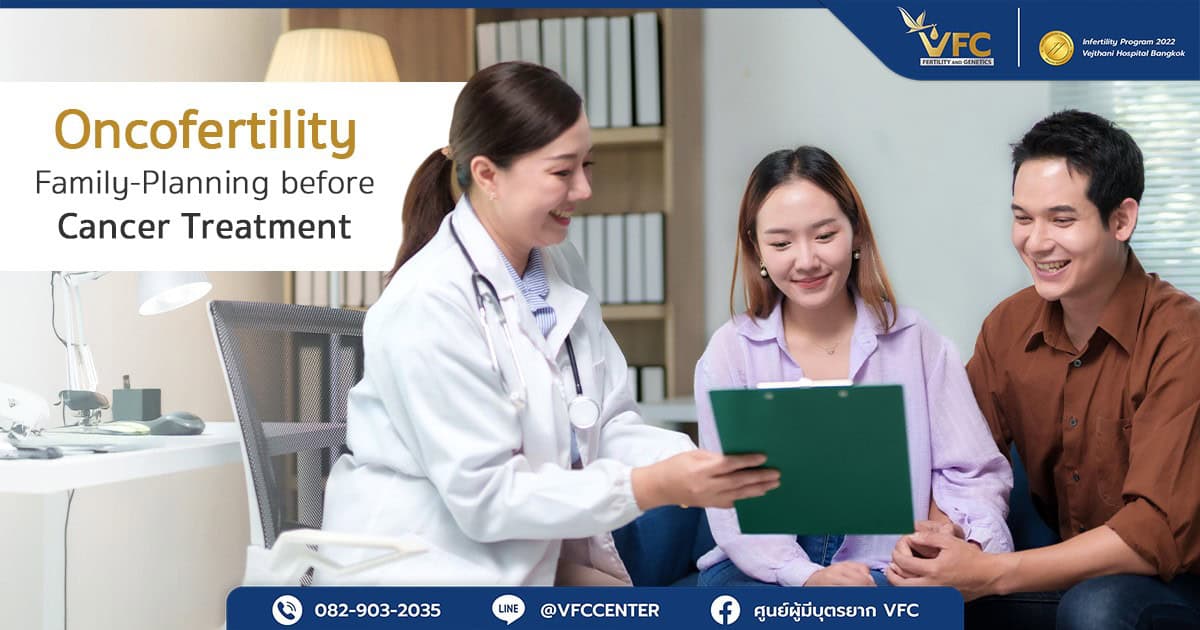
When the topic of cancer arises, treatment is often the first concern. However, for women of reproductive age who hope to have children in the future, certain cancer treatments, especially chemotherapy can significantly and sometimes permanently affect fertility. This is why the concept of oncofertility, or fertility preservation alongside cancer treatment, has become an increasingly important option for modern patients.
What Is Oncofertility?
Oncofertility is a branch of reproductive medicine focused on preserving fertility in cancer patients before beginning treatment such as chemotherapy or radiation. These treatments can damage the ovaries, reduce the number of viable eggs, or lead to infertility later in life.
Procedures such as egg freezing before chemotherapy help protect a woman’s chance of becoming pregnant after she has fully recovered.
Consult VFC Fertility Center for personalized family-planning guidance.
Why Freeze Eggs Before Chemotherapy?
Egg freezing before starting chemotherapy is crucial because chemo can destroy eggs and accelerate ovarian aging. In some cases, women may experience premature menopause or lose the ability to conceive naturally following treatment.
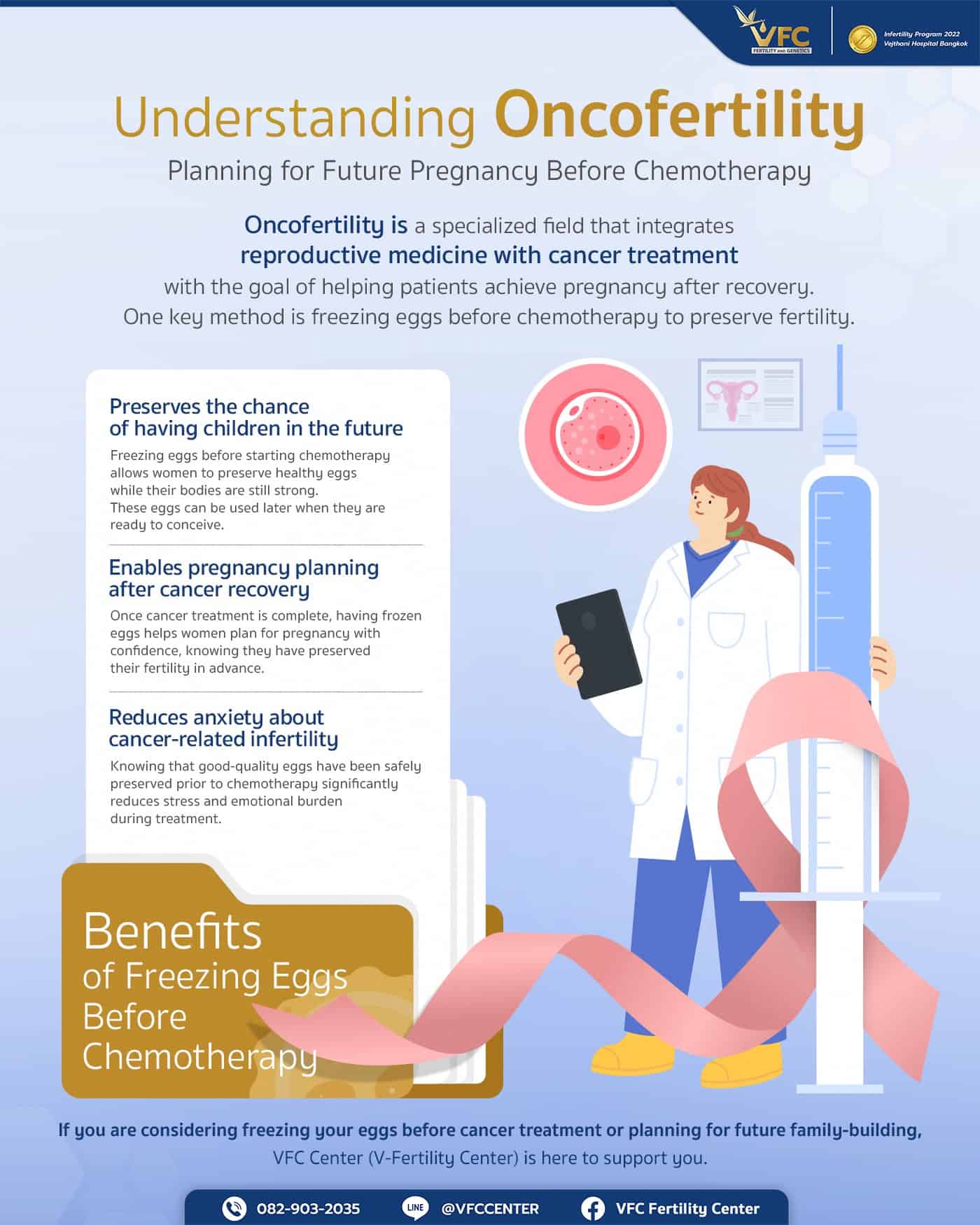
Benefits of Egg Freezing Before Chemotherapy
Preserves Fertility for the Future
Chemotherapy can damage the ovaries, reduce egg quantity, or compromise egg quality — often leading to infertility or early menopause. Freezing eggs beforehand allows women to preserve eggs while they are still healthy, increasing the chances of successful conception later when they are ready.
Allows Pregnancy Planning After Recovery
Many women wish to start or grow their family after their cancer treatment is complete. Having frozen eggs provides peace of mind and flexibility, without relying on donor eggs or worrying about diminished ovarian function.
Egg freezing can also be combined with assisted reproductive technologies, such as ICSI, to increase the chances of a successful pregnancy.
Reduces Anxiety About Treatment-Related Infertility
Knowing that high-quality eggs have been safely preserved can significantly reduce stress during cancer treatment especially for younger patients who have not yet started a family. Egg freezing is not only a fertility-preservation strategy; it also supports emotional well-being throughout the cancer journey.
What Are the Steps of Egg Freezing Before Chemotherapy?
Consultation with specialists: Oncologists and reproductive medicine doctors coordinate to create an appropriate treatment plan
- Ovarian Stimulation: Hormone injections stimulate egg development for 10–14 days
- Egg Retrieval: Once eggs mature, they are retrieved transvaginally using a fine needle under sedation
- Egg Freezing: Eggs are frozen using vitrification at –196°C to preserve quality for future use
Note: Egg freezing should be done before chemotherapy begins. The full process generally takes 2–3 weeks.
Who Is Egg Freezing Suitable For?
- Cancer patients of reproductive age (approximately 20-40 years)
- Patients who have no children or plan to have children in the future
- Individuals receiving treatments that may impact fertility, including chemotherapy, radiation therapy, or reproductive-organ surgery
Consult VFC Fertility Center for egg freezing before cancer treatment.
Can You Really Have a Baby After Freezing Eggs Before Chemotherapy?
Yes. If the frozen eggs are of good quality, assisted reproductive technologies such as ICSI or IVF can significantly increase the chance of achieving a healthy pregnancy, even after cancer treatment is complete.
How Long Can Frozen Eggs Be Stored?
Many patients ask, “How long can frozen eggs be kept?”
With modern vitrification technology, frozen eggs can typically be stored for 10–15 years or longer, depending on the woman’s age at the time of freezing and the laboratory technology used.
Limitations and Considerations
- Egg freezing requires time, so treatment planning should begin immediately after a cancer diagnosis
- Close coordination is needed between oncology teams and reproductive specialists
- Costs should be considered, including potential insurance coverage or cancer-specific patient benefits
Planning egg freezing before chemotherapy is a forward-thinking decision that helps protect the possibility of future parenthood. Integrating oncofertility principles into cancer treatment gives women the chance to safeguard both their health and their future dreams of building a family.
If you are considering egg freezing before starting cancer treatment, or planning for future family-planning after cancer treatment, VFC Center is here to support you. Our team, including a leading fertility specialist in Thailand provides comprehensive care, from oncofertility consultation to egg retrieval, embryo evaluation, and long-term storage, all under international-standard protocols.
Article by: Dr.Sorramon Songveeratham
For consultations or appointments, contact:
VFC Center – V-Fertility Center
Hotline: 082-903-2035
LINE Official: @vfccenter
Frequently Asked Questions (FAQs)
Q: What is oncofertility?
A: Oncofertility is the integration of reproductive medicine with cancer treatment. Its goal is to preserve fertility in reproductive-age patients, such as through egg freezing before chemotherapy, so they may conceive after recovery.
Q: Why freeze eggs before chemotherapy?
A: Chemotherapy can reduce ovarian reserve and damage eggs, making conception difficult later. Freezing eggs beforehand protects the chance of having children after cancer treatment.
Q: How long does the egg-freezing process take?
A: Typically 2-3 weeks, including consultation, ovarian stimulation, egg retrieval, and cryopreservation.
Q: How long can frozen eggs be stored?
A: With vitrification technology, eggs can be stored for 10-15 years or longer if kept under optimal conditions. Quality depends on the woman’s age and the techniques used at the time of freezing.

OBSTETRICS AND GYNAECOLOGY-REPRODUCTIVE MEDICINE
No Comments
Sorry, the comment form is closed at this time.